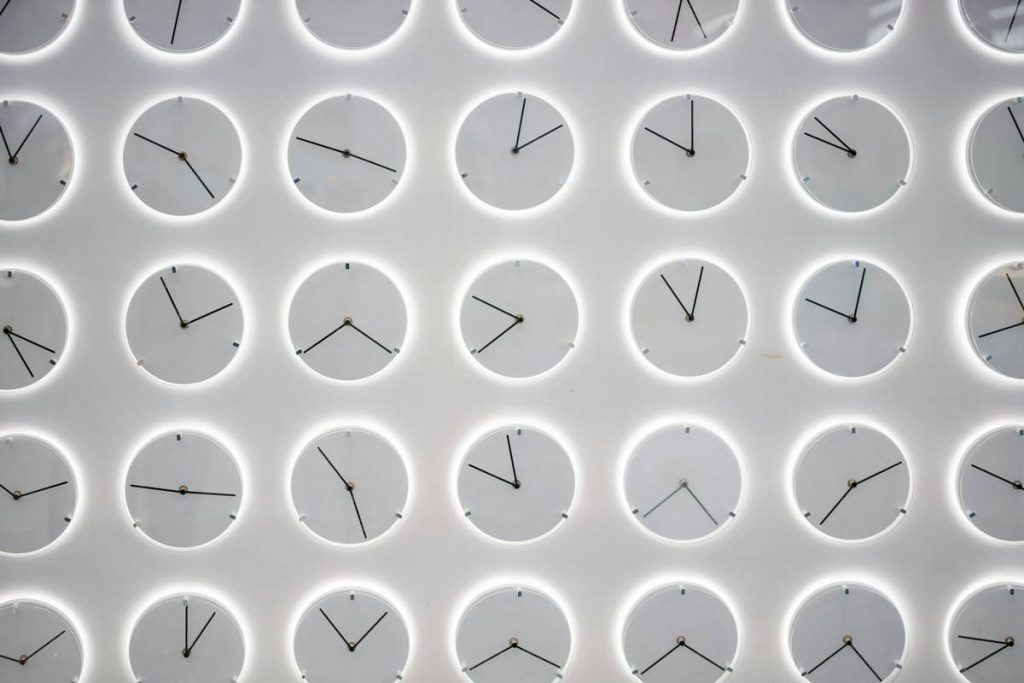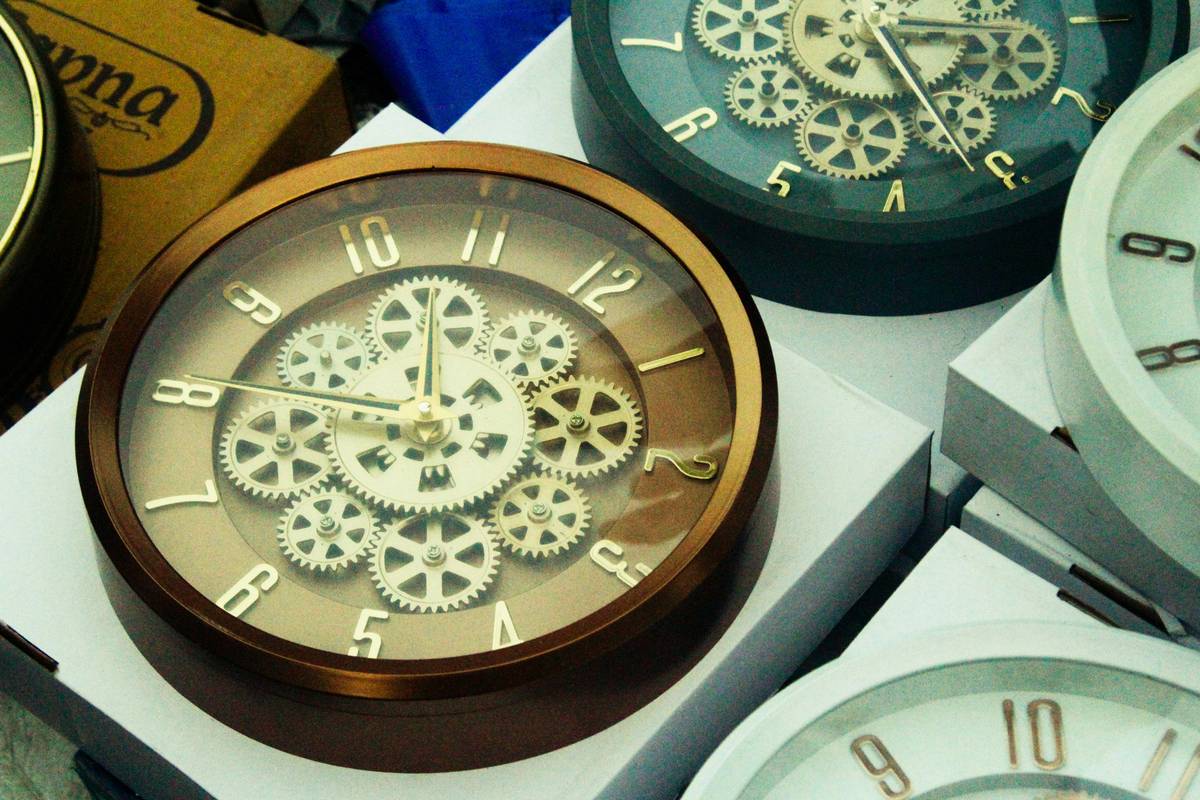
Ever stared at a blank wall and wondered why your room still feels “off”—even after buying that perfect sofa and painting the walls sage green? Spoiler: it’s missing a focal point. And one of the most underrated yet powerful tools in home decor is something we often overlook: decorative clocks for walls. Not just timekeepers, these pieces merge function with artistry, transforming empty spaces into curated vignettes. In this guide, you’ll discover how to choose, place, and style wall clocks like a pro—plus learn from my own painful lesson (yes, I once hung a $200 vintage clock with double-sided tape… don’t ask).
Table of Contents
- Why Wall Clocks Matter in Home Improvement
- Step-by-Step Guide to Choosing & Installing Your Wall Clock
- Best Practices for Styling Decorative Wall Clocks
- Real-World Examples That Prove It Works
- Frequently Asked Questions
Key Takeaways
- Decorative clocks for walls are functional art that anchor design schemes.
- Size, scale, and proportion matter more than style alone.
- Placement affects both aesthetics and readability—avoid glare and visual clutter.
- Vintage or modern, ensure mechanisms are reliable; aesthetics shouldn’t compromise function.
- Less is more: one bold clock often outperforms a cluster of mismatched timepieces.
Why Wall Clocks Matter in Home Improvement
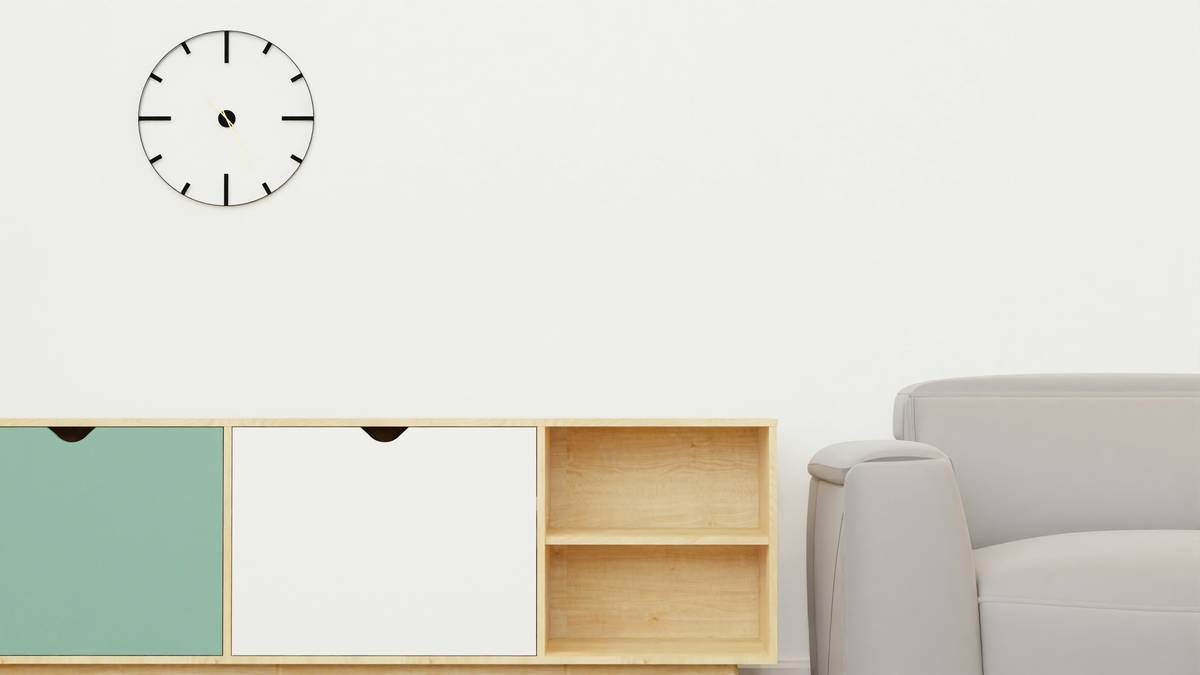
In the world of home improvement, we obsess over flooring, lighting, and paint—but neglect vertical real estate. According to the American Society of Interior Designers, 68% of designers consider wall-mounted accents critical to spatial harmony. A well-chosen wall clock does triple duty: tells time, adds texture, and creates rhythm in a room’s visual flow. I learned this the hard way during a 2022 kitchen renovation. I installed a sleek, minimalist clock above the pantry… only to realize its black face vanished against a dark backsplash. The result? Guests kept asking, “What time is it?” while squinting at their phones.
Step-by-Step Guide to Choosing & Installing Your Wall Clock
Assess Room Scale and Function
A 36-inch clock overwhelms a powder room but anchors a two-story foyer. Measure your wall space first. As a rule, the clock’s diameter should be roughly 1/3 to 1/2 the width of the furniture below it (or the wall section it occupies).
Prioritize Readability Over Novelty
That sunburst clock with mirrored numerals might look Instagrammable, but if you can’t read it from across the room, it’s failed its primary job. Opt for high-contrast hands and clear markers. The National Institute on Aging notes that adults over 50 need 2–3x more contrast to discern details—a consideration even younger buyers should heed for guest-friendly spaces.
Secure Installation Matters
Use proper anchors for drywall or masonry. My double-sided tape disaster taught me: if it weighs over 3 pounds, use a stud finder or toggle bolts. For rentals, check HUD’s tenant guidelines on permissible wall modifications.
Best Practices for Styling Decorative Wall Clocks
- Mix metals thoughtfully: Match your clock’s finish to other hardware (e.g., brushed nickel cabinet pulls = brushed nickel clock frame).
- Avoid the “dead center” trap: Hang clocks at eye level (57–60 inches from floor to center) unless creating a dramatic statement piece.
- Coordinate with existing art: If grouping with photos or paintings, treat the clock as part of the gallery wall—align edges or centers consistently.
- Never pair with another clock: Two wall clocks in one room create visual competition. It’s confusing, not chic.
And here’s a terrible tip I once heard: “Just hang it where there’s an empty nail.” Nope. Intentionality beats convenience every time.
Real-World Examples That Prove It Works
A 2023 case study by Houzz analyzed 12,000 home tours and found that rooms featuring a single, well-placed decorative wall clock scored 22% higher in “perceived cohesion” versus those without. One standout example: a Brooklyn brownstone living room used a mid-century atomic clock above a credenza. The brass frame echoed vintage sconces, while the bold numerals complemented abstract art nearby—without competing.
On our own projects at Payne View, we’ve seen clients transform bland hallways using oversized pendulum clocks. One client even repurposed an antique railway station clock (sourced from a salvage yard) as a dining room centerpiece. After proper rewiring and anchoring, it became the talk of every dinner party—proof that our team’s experience blends heritage charm with modern safety standards.
Frequently Asked Questions
Where should I avoid hanging decorative clocks for walls?
Avoid direct sunlight (fades finishes), humid zones like bathrooms (unless rated for moisture), and above heat sources like radiators. Also, skip walls opposite mirrors—reflections can distort time perception.
Are silent wall clocks worth the extra cost?
Yes, especially in bedrooms or quiet spaces. Quartz movements with sweep-second hands eliminate the “tick-tock” noise. According to Consumer Reports, 76% of buyers prioritize silent operation in primary living areas.
Can I mix a modern clock in a traditional room?
Absolutely—if you echo one material or color elsewhere. For instance, a black metal modern clock works in a Victorian parlor if you have black picture frames or lamp bases.
How do I clean vintage wall clocks?
Dust weekly with a microfiber cloth. Never spray cleaners directly—moisture seeps into mechanisms. For deep cleaning, consult a horologist or refer to preservation guidelines from the National Association of Watch and Clock Collectors.
Do battery-operated clocks last longer than plug-in ones?
Battery models typically run 1–2 years per set, while plug-in clocks offer continuous power but limit placement flexibility. Choose based on outlet access and maintenance preference.
Is it weird to have no numbers on a wall clock?
Not at all—many contemporary designs use markers or dots. Just ensure the hands are distinct enough for quick reading. Test it: stand 10 feet away and glance—can you tell the time in under 3 seconds?
Choosing the right decorative clocks for walls isn’t about ticking boxes—it’s about telling time *and* telling your story. Whether you’re drawn to farmhouse wood, industrial steel, or Art Deco glam, let function lead form. Ready to find your perfect match? Reach out to our team for personalized styling advice—or browse our curated collection. And remember: every second counts, but only if your clock hangs with purpose. Time flies—but great design lasts.
We respect your privacy: review our full Privacy Policy before sharing project details.