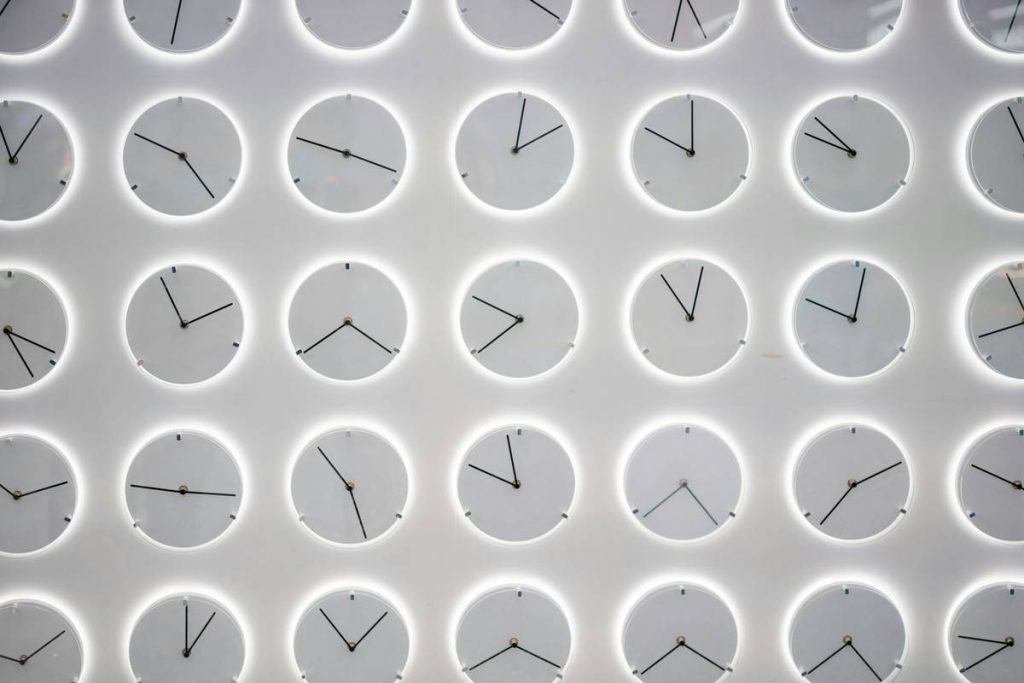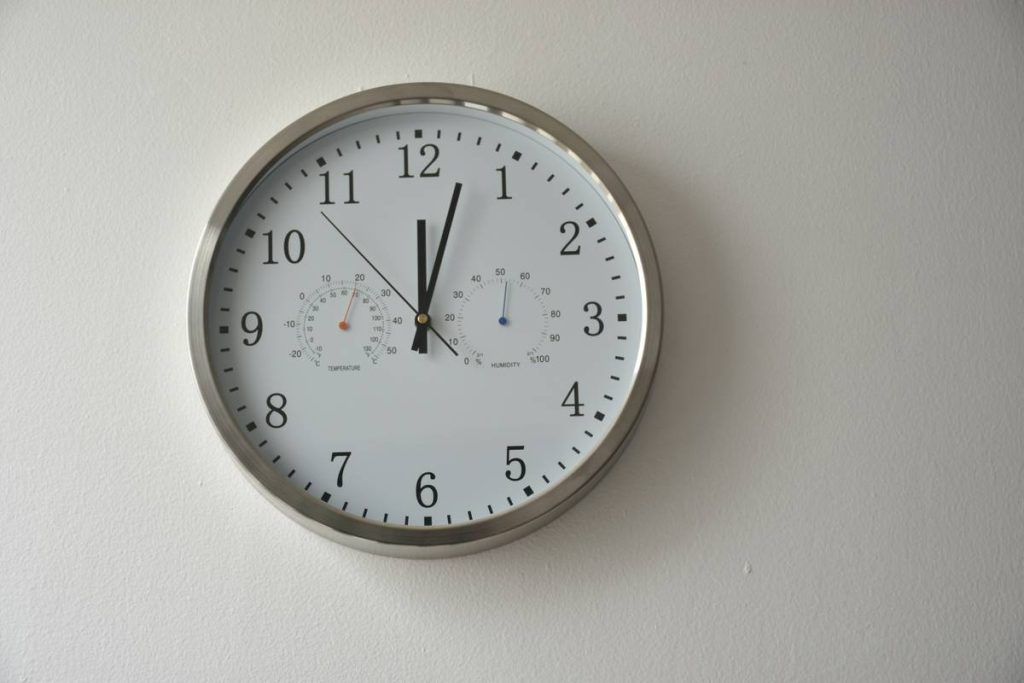
Your walls feel empty—but slapping on any old clock just makes the room look like a dentist’s waiting area. And that “modern” clock you bought? It screams catalogue, not character. The solution isn’t buying more. It’s curating with intention—choosing a wall clock home decor modern piece that doesn’t just tell time, but tells a story.
Why Most Wall Clocks Fail as Modern Home Decor
Most people treat wall clocks as afterthoughts. They shop by shape or price, not presence. The result? A bland circle stuck in negative space that drains energy from the room. Worse—many so-called “modern” designs are mass-produced with zero soul. They mimic minimalism but lack tension, texture, or tactility.
And here’s the kicker: a poorly chosen clock can visually chop your wall in half, making ceilings feel lower and rooms narrower. Think about it—your clock isn’t neutral. It’s an anchor. Or an anchor dragging your design down.
How to Select & Style a Wall Clock Home Decor Modern Masterpiece
Forget “matching.” Aim for harmony through contrast. The right modern wall clock should dialogue with your existing palette—not echo it.
Step 1: Audit Your Wall’s Visual Weight
Is your wall dominated by heavy furniture or large art? Then go bold—oversized (24″+), with visible mechanics or sculptural hands. Empty wall above a console? Try asymmetrical or geometric frames. No wall is truly blank. Read its silence first.
Step 2: Choose Materials That Echo, Not Mirror
If your sofa is velvet, don’t pick another soft material. Instead, opt for brushed brass, oxidized steel, or matte ceramic. Texture creates rhythm. Smooth against rough. Warm metal against cool plaster. The math is simple: contrast = memorability.
Step 3: Dial in the Detail (Literally)
Minimalist clocks often erase numerals—but that’s a trap. No markers = visual confusion. Either go full numeral (modern typography only) or use subtle dot/marker systems. And never underestimate hand design: tapered, skeleton, or floating hands add silent sophistication.
| Style Type | Ideal Room | Key Material | Avoid If… |
|---|---|---|---|
| Oversized Industrial | Loft living rooms, open kitchens | Blackened steel, riveted edges | Room has low ceilings or cluttered sightlines |
| Mid-Century Geometric | Dining areas, hallways | Walnut veneer, sunburst patterns | Your furniture is ultra-contemporary (creates era clash) |
| Scandinavian Minimal | Bedrooms, home offices | White lacquer, birch wood | Walls are already sparse (feels sterile) |
| Abstract Sculptural | Gallery walls, entryways | Resin, powder-coated aluminum | You prioritize readability over aesthetics |

The Industry Secret: Clocks Are Invisible Until They’re Wrong
Top interior stylists rarely start with the clock. They stage the entire wall first—art, sconces, shelves—then slide the timepiece into the composition like a punctuation mark. Here’s what they won’t tell you: many high-end designers buy non-working “decor clocks” and retrofit them with silent quartz movements. Why? Because sound matters. A ticking clock in a serene bedroom kills ambiance. Silence is part of the luxury.
And this—most brands inflate size specs. A “30-inch” clock often measures 28.5″ including frame. Always demand exact outer dimensions. One client lost $120 shipping a return because her custom mirror clashed with an oversized clock she couldn’t mount.
Frequently Asked Questions
Where should I hang a modern wall clock?
Hang at eye level when standing—typically 57–60 inches from floor to center. In dining rooms, position opposite seating so time is readable without neck craning.
Are silent wall clocks worth it?
Absolutely. Battery-powered quartz movements with sweep-second hands eliminate ticks. Crucial for bedrooms, studies, or Zen spaces where auditory clutter disrupts flow.
Can a wall clock home decor modern piece be too big?
Yes. If it exceeds ⅓ the width of your dominant furniture (sofa, bed, console), it overwhelms. Scale should serve balance—not dominate it.