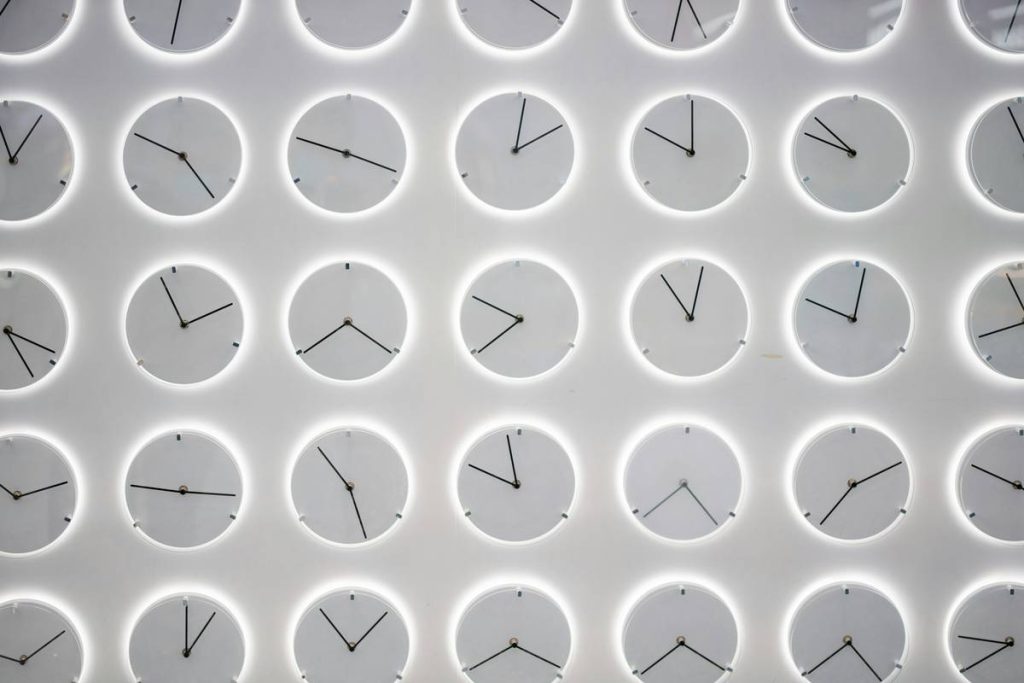
You bought a beautiful timekeeping wall clock on which side it goes seems trivial—until you hang it wrong and wreck your room’s flow. Too high? Feels institutional. Opposite the door? Creates visual chaos. And if it clashes with your lighting or furniture axis, your entire space subtly feels “off.” The solution isn’t guesswork—it’s spatial rhythm. Get this right, and your clock becomes a silent anchor of elegance.
Why Most Wall Clock Placements Fail
People treat clocks like afterthoughts. They nail them wherever there’s blank wall. Big mistake. A timekeeping wall clock isn’t just functional—it’s a compositional fulcrum. Hang it too low near a sofa, and eyes dip awkwardly. Mount it dead-center on a long hallway wall, and it drowns in negative space.
And here’s the kicker: symmetry ≠ balance. Two matching sconces flanking an off-center clock? That’s visual noise—not harmony. The problem isn’t your taste. It’s that nobody taught you how architecture talks to timepieces.
Optimal Placement Strategy for Your timekeeping wall clock on which side
Measure Twice, Anchor Once
Start at eye level—but whose? For living rooms, use 57–60 inches from floor to center of clock. In hallways or foyers, bump it to 62–66 inches. Why? Standing sightlines dominate transitional spaces.
Wall Zones That Work (And One That Doesn’t)
Avoid placing directly above heat sources—fireplaces warp mechanisms over time. Also skip walls facing direct southern sun; UV fades finishes and stresses quartz movements.
Better zones: entry nooks, beside bookshelves, or centered on a dining room’s short wall. These spots create natural focal points without competing with primary functions.
Left or Right? The Focal Flow Rule
Your clock should sit where the eye naturally lands *after* the room’s main attraction. Sofa first—then clock. Fireplace first—then clock. Never opposite. This creates visual hierarchy, not tension.
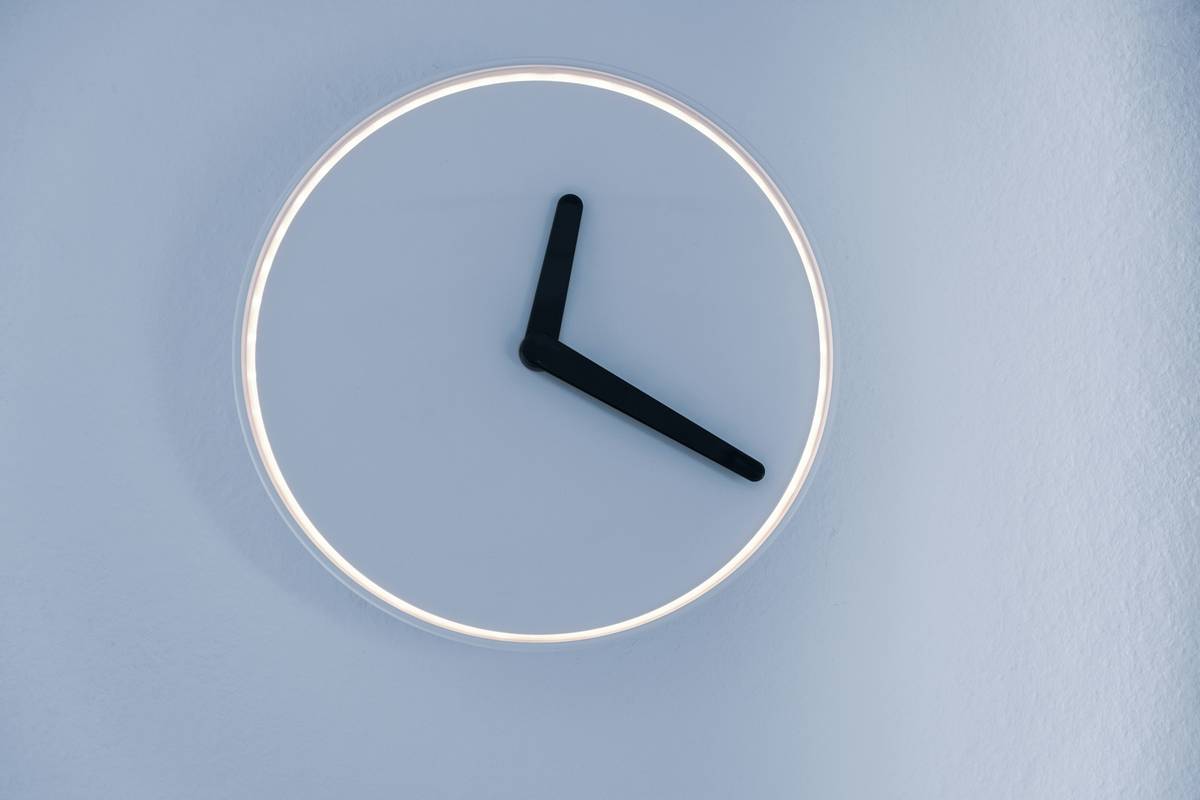
| Placement Zone | Pros | Cons | Ideal For |
|---|---|---|---|
| Living Room — Adjacent to Seating Wall | Easy viewing, blends with decor rhythm | Risk of visual crowding with art | Homes with open plans |
| Dining Room — Short Wall Center | Anchors meal space, aids punctuality | Can feel too formal if oversized | Hosts who value timing |
| Foyer — Eye-Level Side Wall | First impression + utility combo | Limited wall real estate in small entries | Urban apartments, townhomes |
| Kitchen — Above Pantry or Niche | Functional during cooking/prep | Steam and grease affect mechanics | Chefs, bakers, morning households |
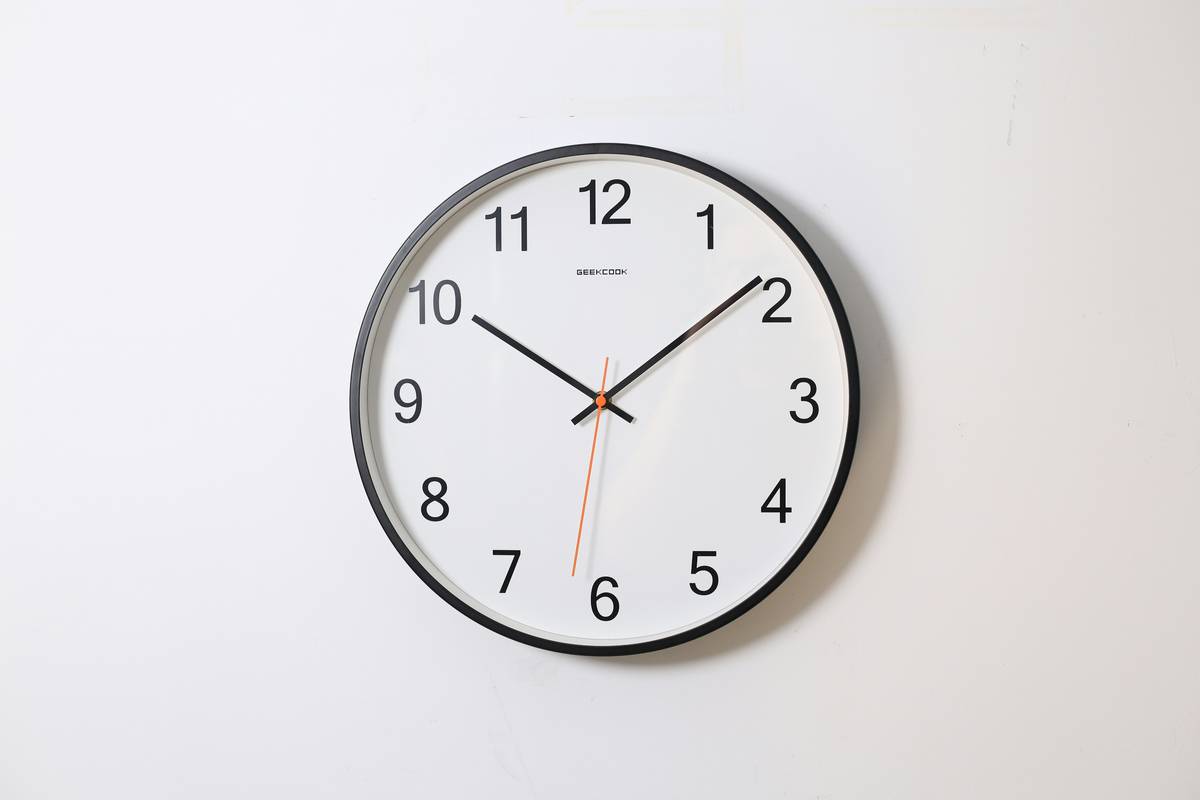
The Industry Secret No Retailer Tells You
Clock placement follows the “two-second glance” principle. If someone can’t read the time within two seconds of entering the room—without turning their head—you’ve failed. But here’s what even interior designers miss: your clock’s *finish* must echo a secondary metal already in the space. Brushed nickel clock? Match it to drawer pulls or lamp bases—not your faucet. This micro-harmony tricks the brain into perceiving cohesion instantly. It’s subtle. It’s powerful. And it costs nothing but attention.
Frequently Asked Questions
Which side of the wall should a clock go on?
Place it on the wall your eyes naturally settle on after noticing the room’s main feature—like a sofa or fireplace—not opposite it.
Is it bad to put a wall clock in the bedroom?
Not inherently—but avoid mounting it where the ticking disrupts sleep. Opt for silent sweeping movements and keep it out of direct sight from bed.
Should a wall clock be centered on the wall?
Only if the wall has no other elements. Better to align its center with furniture below or a doorway edge for grounded proportion.