Your walls feel empty—but not because they lack color or shelves. It’s because they’re missing rhythm. Most homeowners slap on any old clock, ignoring how timekeeping wall clock design decorate choices silently command a room’s energy. You end up with clutter that tells time but drains harmony. The fix? Treat your wall clock not as an afterthought—but as the conductor of your space’s visual tempo.
Why Random Clocks Ruin Room Flow (And What Actually Works)
Throwing up a generic analog clock because “it matches the couch” is like tuning a piano with a hammer. It might hit a note—but the whole orchestra suffers. Wall clocks anchor spatial perception. Get it wrong, and even perfectly arranged furniture feels off-kilter. And most decor guides ignore this entirely—they obsess over throw pillows while the one object that marks your day’s pace gets sidelined.
The math is simple: if your eye lands on the clock 20 times a day, its design must earn that attention. Not distract from it.
timekeeping wall clock design decorate: A 4-Step Framework Backed by Interior Psychology
Step 1: Audit Your Room’s Visual Weight
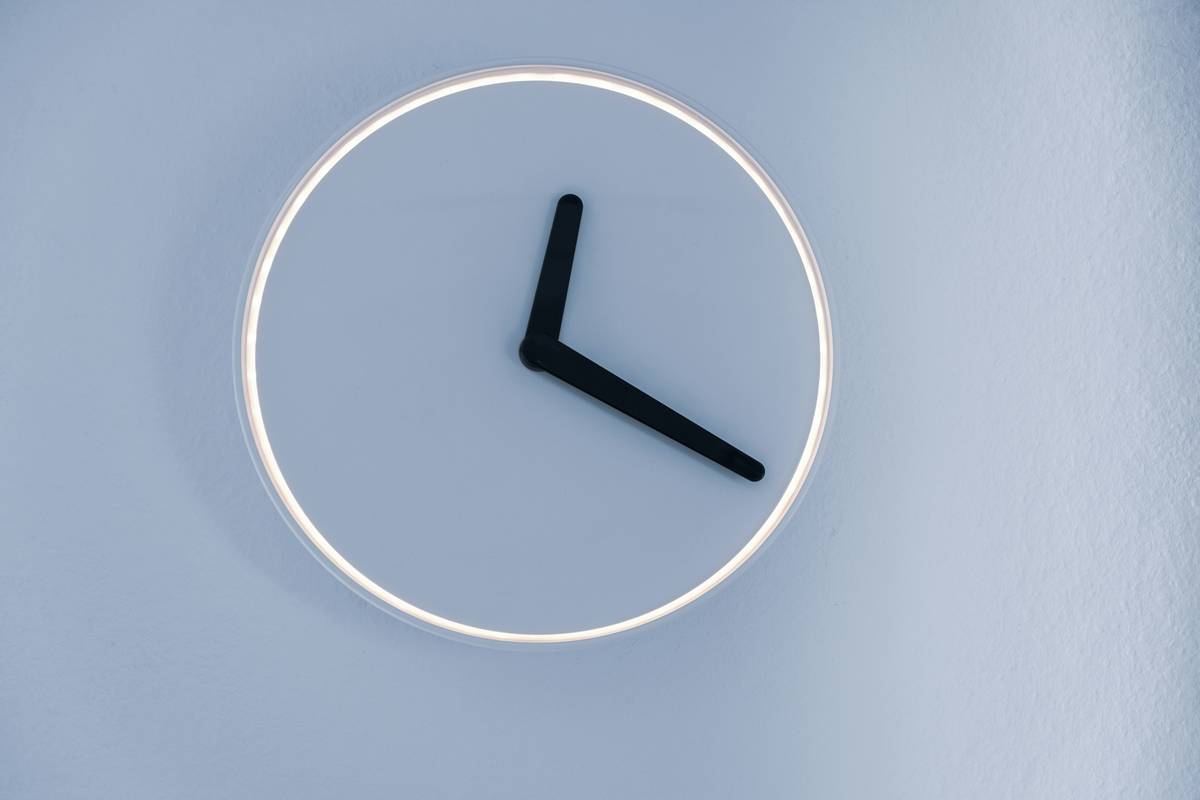
Is your space minimalist? Industrial? Boho maximalist? Don’t pick a clock based on style alone—match its visual density. A heavy oak farmhouse clock drowns a Scandinavian bedroom. A sleek metallic disc vanishes in a rustic den.
Step 2: Size It Like a Pro (Not a Decor Blogger)
Forget “bigger is better.” The ideal diameter = 1/10th your wall’s width. 10-foot wall? Aim for 12 inches. This isn’t arbitrary—it aligns with human peripheral vision thresholds for effortless readability without head-turning.

Step 3: Dial into Movement (Literally)
Sweep-second vs. ticking quartz? Sweep hands create fluid calm—ideal for bedrooms or meditation nooks. Ticking mechanisms add subtle auditory texture, great for home offices where mild rhythmic noise boosts focus. Choose sound as deliberately as shape.
Step 4: Mount Height = Eye Level Minus 6 Inches
Most hang clocks too high—forcing neck cranes. The sweet spot? Center the clock face 54–60 inches from the floor. Why? Because that’s where your gaze naturally settles when standing or seated nearby. It becomes part of your posture, not a chore to check.
| Clock Type | Average Cost | Best Room Match | Visual Impact Score (1-10) |
|---|---|---|---|
| Minimalist Metal Disc | $35–$80 | Modern living rooms, lofts | 7 |
| Farmhouse Wooden Roman Numeral | $60–$150 | Kitchens, dining areas | 9 |
| Vintage Skeleton Gear Mechanism | $120–$300 | Home libraries, studies | 10 |
| Digital LED Frameless | $25–$60 | Home gyms, tech dens | 5 |
The Industry Secret: Clocks as “Silent Anchors” (Not Just Time Tellers)
Top interior stylists don’t just place clocks—they use them to fake architectural balance. Got a lopsided fireplace? Hang a bold wall clock opposite to counterweight visually. Long hallway feels like a tunnel? Install a mid-point clock to break the monotony and create rhythm. This technique—called temporal anchoring—is rarely discussed outside elite design circles. But it works because our brains subconsciously sync spatial order with time cues. A well-placed timekeeping wall clock design decorate element doesn’t just show hours—it structures perception.
Frequently Asked Questions
Can a wall clock make a small room look bigger?
Yes—if it’s minimalist with a light frame and uncluttered face. It draws the eye upward without adding visual bulk, creating an illusion of height and openness.
Are silent wall clocks worth the extra cost?
Absolutely. In bedrooms or quiet zones, even soft ticking disrupts sleep onset. Invest in sweep-movement or high-end quartz for true silence—your nervous system will thank you.
How often should I update my wall clock design?
Only when your room’s core aesthetic shifts. Unlike seasonal decor, a quality clock should last 7–10 years. Prioritize timeless over trendy.