Your walls feel empty—but not because they’re bare. It’s because every clock you’ve tried screams “afterthought,” not intention. You bought stylish frames, curated shelves, even that velvet sofa… only to hang a plastic-rimmed, battery-dying timepiece that kills the vibe. Here’s the fix: treat your wall clock like functional art. Not an appliance.
Why Most Wall Clocks Ruin Your Interior Aesthetic
Homeowners treat clocks as utility items—something to slap on the wall near the kitchen door. Big mistake. A poorly chosen timepiece creates visual noise, clashes with color palettes, and undermines the cohesion you worked so hard to build. And no, “minimalist” doesn’t mean boring white plastic with thin black hands. That’s lazy design disguised as simplicity.
Worse? Mass-market retailers push clocks designed for warehouses—not living rooms. They’re oversized for small spaces, under-scaled for grand halls, and never consider how light hits the face at 3 p.m. in your east-facing den.
How to Choose & Place a Wall Clock That Elevates Your Space
This isn’t about picking the “right” shape. It’s about matching rhythm, scale, and soul to your room’s personality.
Match the Clock’s Visual Weight to Your Room
A vaulted-ceiling loft demands a bold, sculptural piece—think brass gears or reclaimed wood numerals. A cozy reading nook? Go for slim profiles with warm finishes. If your space has lots of texture (brick, linen, woven rugs), pick a smooth-faced clock to balance it.
Placement Isn’t Just About Visibility
Hang it where eyes naturally land—not where you *think* you’ll check the time. Above a console table? Only if the furniture anchors it. Floating in negative space beside a doorway? Perfect—if the clock echoes something in your rug or artwork. Avoid hanging directly above a TV; it competes, not complements.
Materials Matter More Than Color
Paint trends shift. Wood tones endure. Metal finishes echo light. Choose materials that harmonize with existing fixtures—your faucet finish, cabinet hardware, lamp bases—not just wall paint. Brushed nickel here, oil-rubbed bronze there—it adds subconscious polish.
| Clock Style | Ideal Room | Avoid If… | Price Range |
|---|---|---|---|
| Mid-Century Sunburst | Living rooms, studies | Your furniture is ultra-modern or rustic farmhouse | $120–$400 |
| Floating Numerals (no frame) | Minimalist bedrooms, hallways | Walls are already busy with art or shelves | $80–$250 |
| Industrial Gear Wall Clock | Lofts, kitchens with exposed ducts | Your aesthetic leans coastal or Scandinavian | $180–$600 |
| Antique Reproduction (with patina) | Dining rooms, libraries | You have young kids or pets (fragile!) | $200–$900 |
The Industry Secret: Silence Is Part of the Design
Here’s what big brands won’t tell you: the mechanism matters as much as the look. A loud ticking clock in a quiet bedroom or home office isn’t just annoying—it breaks immersion. High-end designers specify “silent sweep” movements for residential projects unless the tick is part of the charm (like in a vintage train station homage). But most online listings bury this detail. Always ask: “Is it quartz silent sweep?” If they don’t know, walk away. And yes—some luxury artisans hand-tune movements to eliminate resonance against drywall. That’s why their $700 clocks feel museum-grade.
Frequently Asked Questions
Can a wall clock be too big for a room?
Absolutely. A clock wider than 1/3 of adjacent furniture looks comical. Measure first—scale trumps style.
Should my wall clock match other metal finishes in the room?
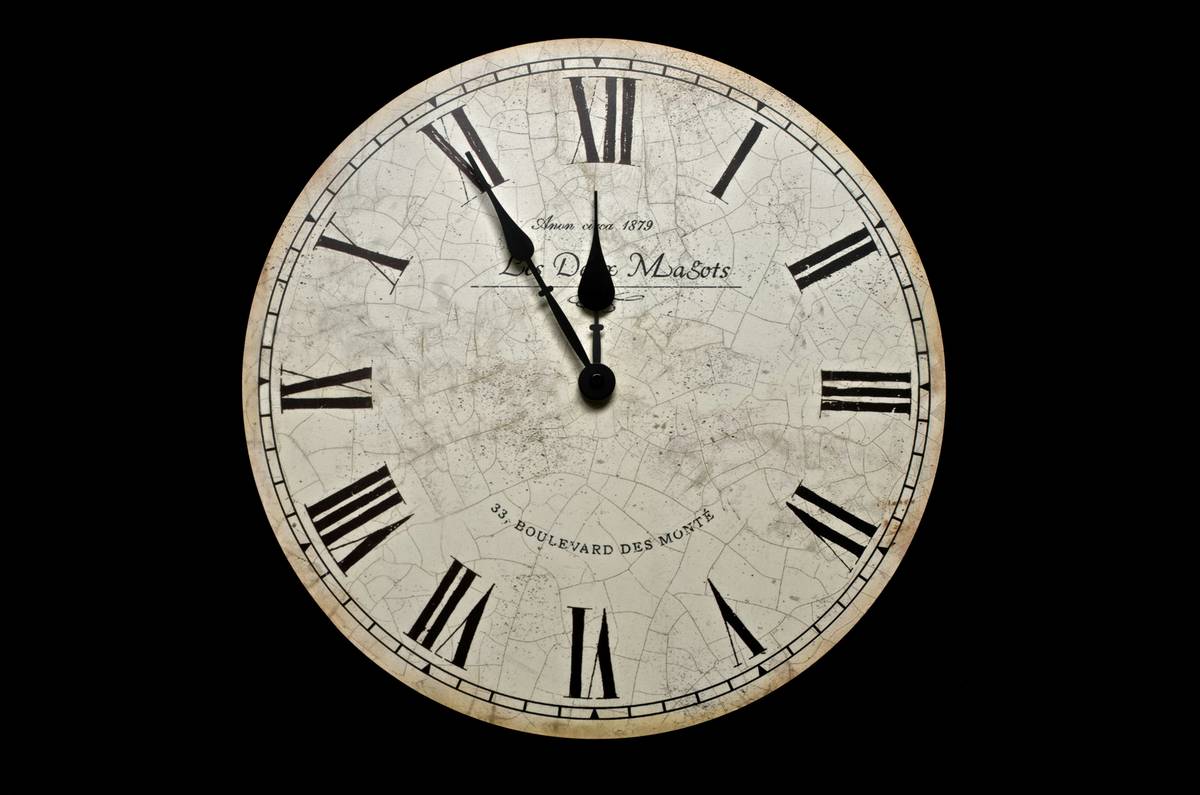
Ideally, yes. Mixing metals works only if done intentionally—and timepieces aren’t the place to experiment.
Are digital wall clocks ever acceptable in home design?
Rarely. Unless you’re curating a retro-tech gallery wall, analog forms read as timeless. Pixels scream “office.”