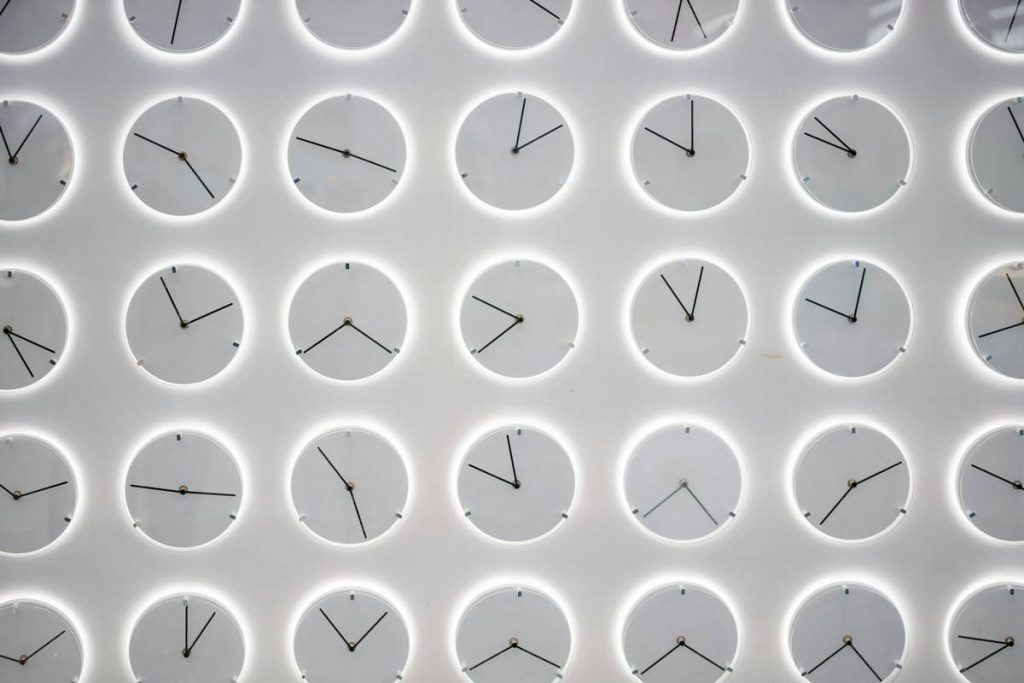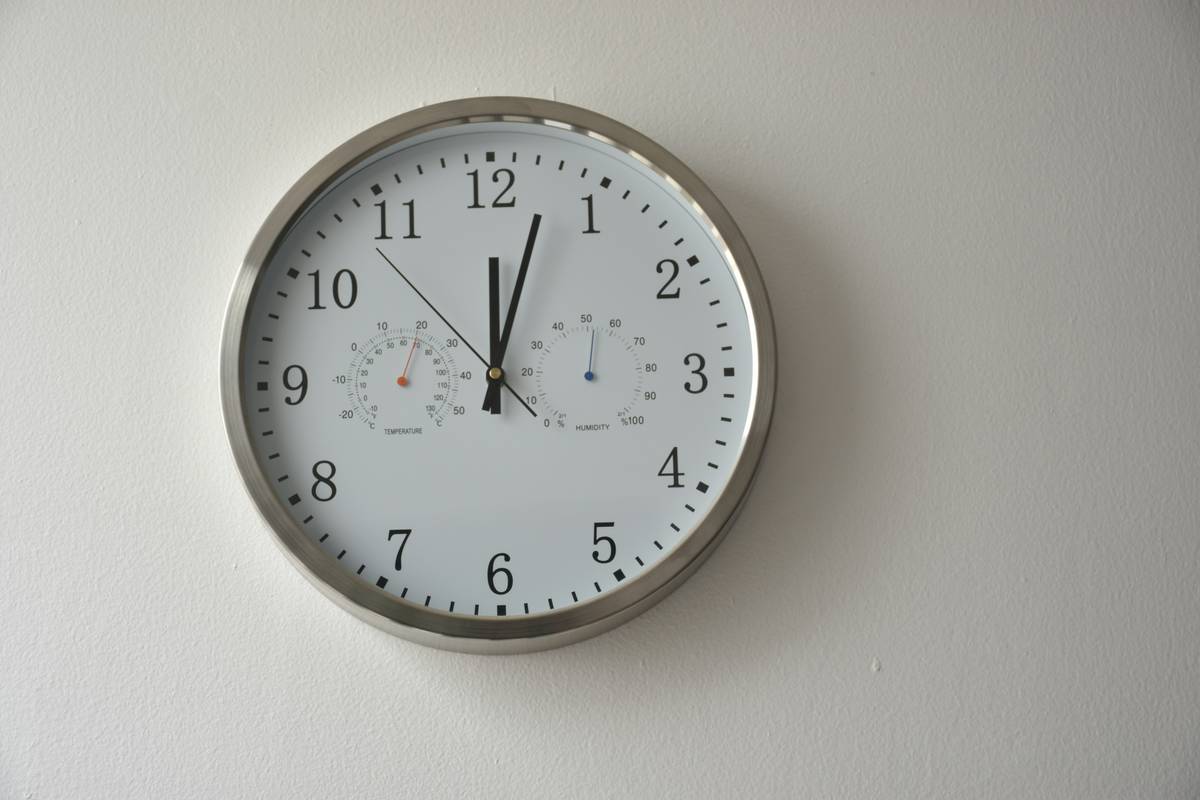
Your wall feels bare. Not minimalist—just unfinished. You’ve tried photos, shelves, even that trendy macramé piece. Yet something’s off. The room lacks rhythm. Enter the unsung hero: wall clock decorative home design. It’s functional, sculptural, and instantly grounds any space—if chosen right.
Why Most People Fail at Wall Clock Decorative Home Design
They treat clocks like afterthoughts. Slap up a plastic-rimmed $19.99 special from a big-box store and call it “decor.” But here’s the reality: cheap clocks amplify visual noise—they don’t resolve it. And oversized novelty pieces? They scream “thrift store,” not “curated.”
Worse, people ignore scale. A tiny clock in a vaulted entryway vanishes. A massive industrial model in a cozy bedroom dominates like a silent alarm. The math is simple: your clock must converse with the architecture—not shout over it.
How to Choose & Install a Wall Clock That Elevates Your Space
Match Material to Mood
Brass or aged bronze? Warm, timeless, pairs perfectly with wood tones and linen. Blackened steel? Sharp, modern, ideal for concrete or monochrome schemes. Don’t match finishes exactly—create harmony through contrast.
Prioritize Proportion Over Preset Rules
Forget “clocks should be 6–8 feet high.” Measure your sightlines. Sit where you’ll most often view it. If you’re eye-level when seated is 48 inches, center the clock just above that. And yes—it’s okay to hang it slightly lower in intimate spaces like bedrooms or reading nooks.
Avoid Clutter Collision Zones
Near doorways? Too much traffic. Above a loud patterned sofa? Visual chaos. Instead, place your clock where negative space already exists—or create that space intentionally by removing one item first. Less really is more.
| Clock Type | Ideal Room | Avg. Cost Range | Design Impact |
|---|---|---|---|
| Minimalist analog (no numerals) | Living room, office | $45–$120 | High—adds calm precision |
| Artisan wooden pendulum | Dining room, hallway | $180–$400 | Very high—sculptural focal point |
| Retro mid-century sunburst | Bedroom, lounge | $75–$200 | Moderate—works only with period-appropriate decor |
| Digital LED frame-style | Modern kitchen, tech den | $60–$150 | Low—feels utilitarian unless integrated as art |
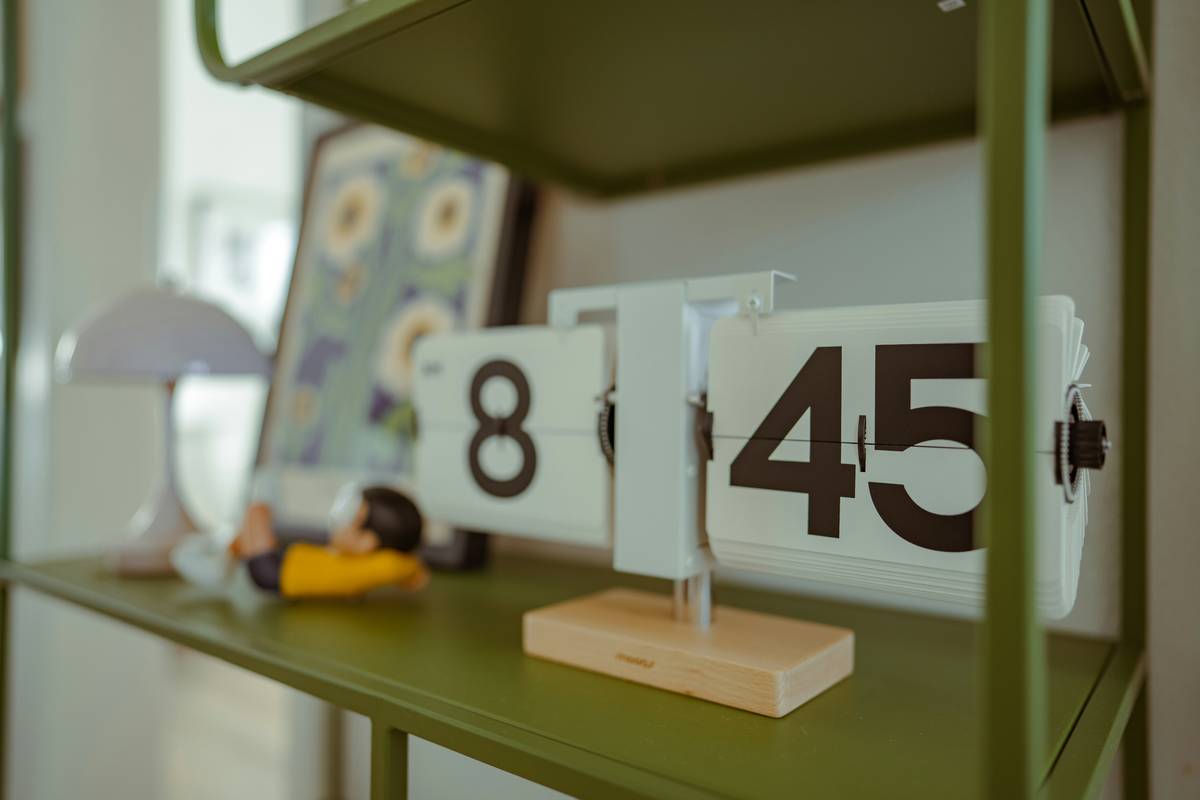
The Industry Secret: Clocks as Silent Timekeepers of Style
Top interior stylists don’t pick clocks last—they start with them. Why? Because a well-chosen timepiece anchors your entire color palette and material story. One Brooklyn-based designer I spoke with uses vintage regulator clocks as “design DNA donors.” She pulls the patina tone from the clock’s metal into throw pillows, then echoes its circular form in rug patterns. The result? Cohesion without looking planned.
But here’s what no one tells you: silence matters. Mechanical or quartz? Go quartz. No ticking. In open-plan homes, that faint *tick-tock* bounces off hard surfaces and becomes subliminal stress. Functional art shouldn’t nag—it should resonate.
Frequently Asked Questions
Can a wall clock be the main focal point in a room?
Absolutely—if it’s over 24 inches wide and has strong material presence (think solid wood or hand-forged metal). Avoid busy faces; clean dials command attention without chaos.
Should all clocks in my house match?
No. Consistency kills character. Let each room speak its own dialect. A sleek black frame in the kitchen, an antique brass in the study—that’s layered living.
Where should I avoid hanging a decorative wall clock?
Never above heat sources (fireplaces distort mechanisms) or in direct sunlight (fades finishes). And skip bathrooms—humidity ruins movements fast.