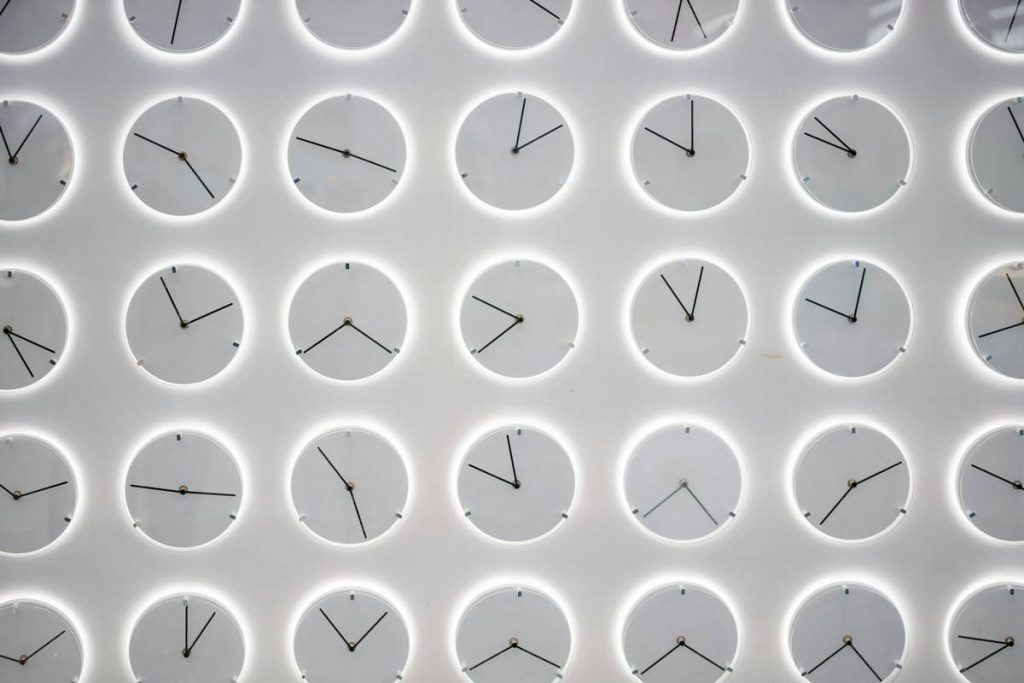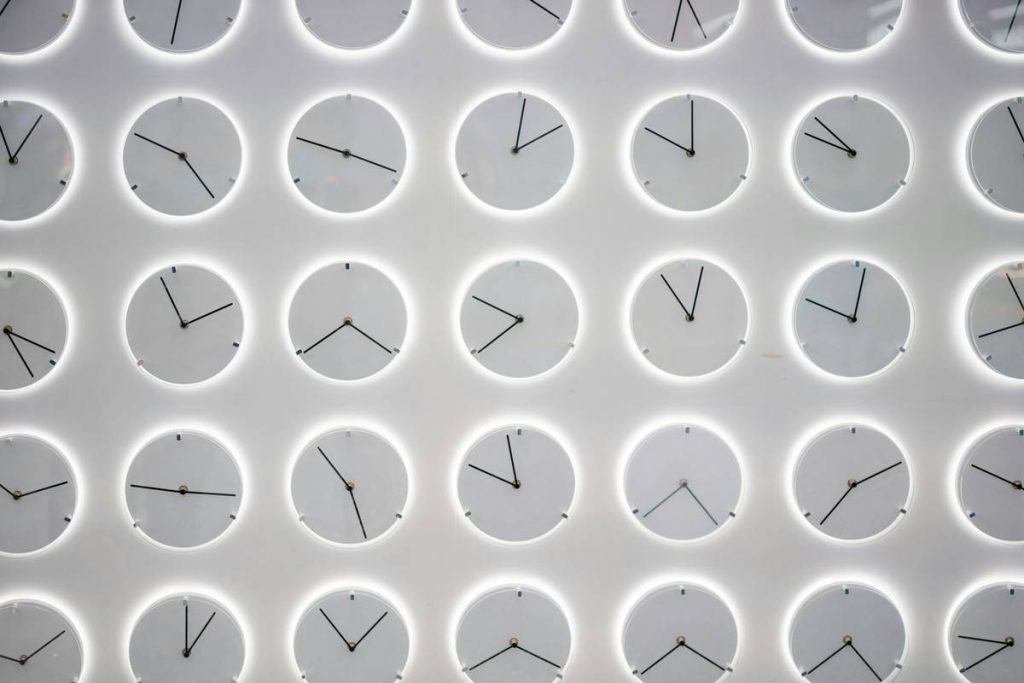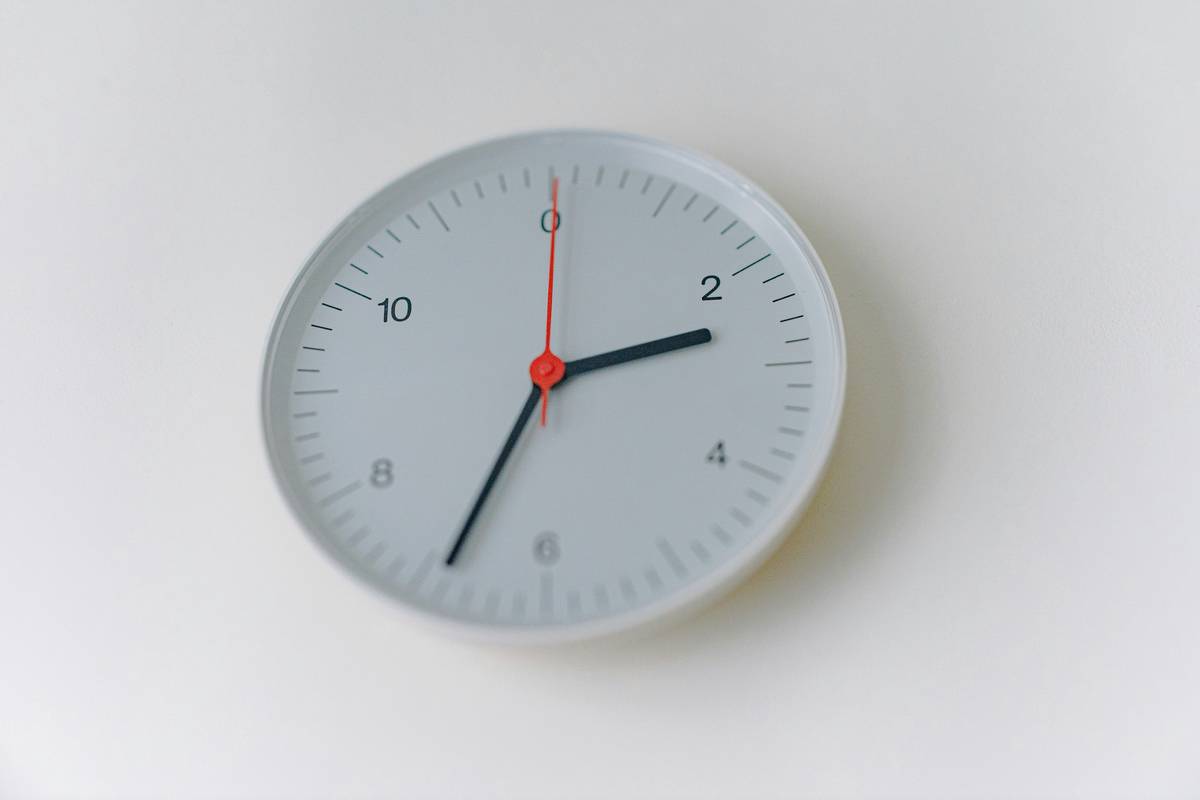
Ever hung a wall clock only to realize it clashes with your entire living room aesthetic—or worse, disappears into the background like wallpaper? You’re not alone. As someone who once installed a $200 artisanal timepiece upside down (yes, really), I’ve learned that choosing the right functional art wall clock design decorate piece demands more than just good looks. It’s about balancing form, function, and personal style without wasting money or wall space. In this guide, we’ll explore why functional art clocks matter in home improvement, how to choose and place them like a pro, and real-world examples that prove time can—and should—be beautiful.
Table of Contents
- Why Functional Art Wall Clocks Matter in Home Improvement
- Step-by-Step Guide to Choosing Your Perfect Clock
- Best Practices for Wall Clock Placement & Styling
- Real-World Examples That Tell Time Beautifully
- Frequently Asked Questions
Key Takeaways
- Functional art wall clocks merge utility with visual storytelling—they’re decor that *does* something.
- Avoid oversized or overly intricate designs in small rooms; scale matters more than you think.
- The exact phrase “functional art wall clock design decorate” should guide your search—but not dominate your choices.
- Placement at eye level (57–60 inches from floor) ensures visibility without visual clutter.
- Always test mockups before drilling; one mistake can ruin drywall and mood alike.
Why Functional Art Wall Clocks Matter in Home Improvement
In the world of Home Decor & Accessories, wall clocks often get pigeonholed as purely utilitarian. But when crafted as functional art, they become focal points—conversation starters that anchor a room’s personality. Unlike mass-produced plastic tickers, a thoughtfully designed clock reflects your taste while keeping you punctual. According to the American Society of Interior Designers, 68% of homeowners consider wall clocks part of their intentional decor strategy, not afterthoughts.
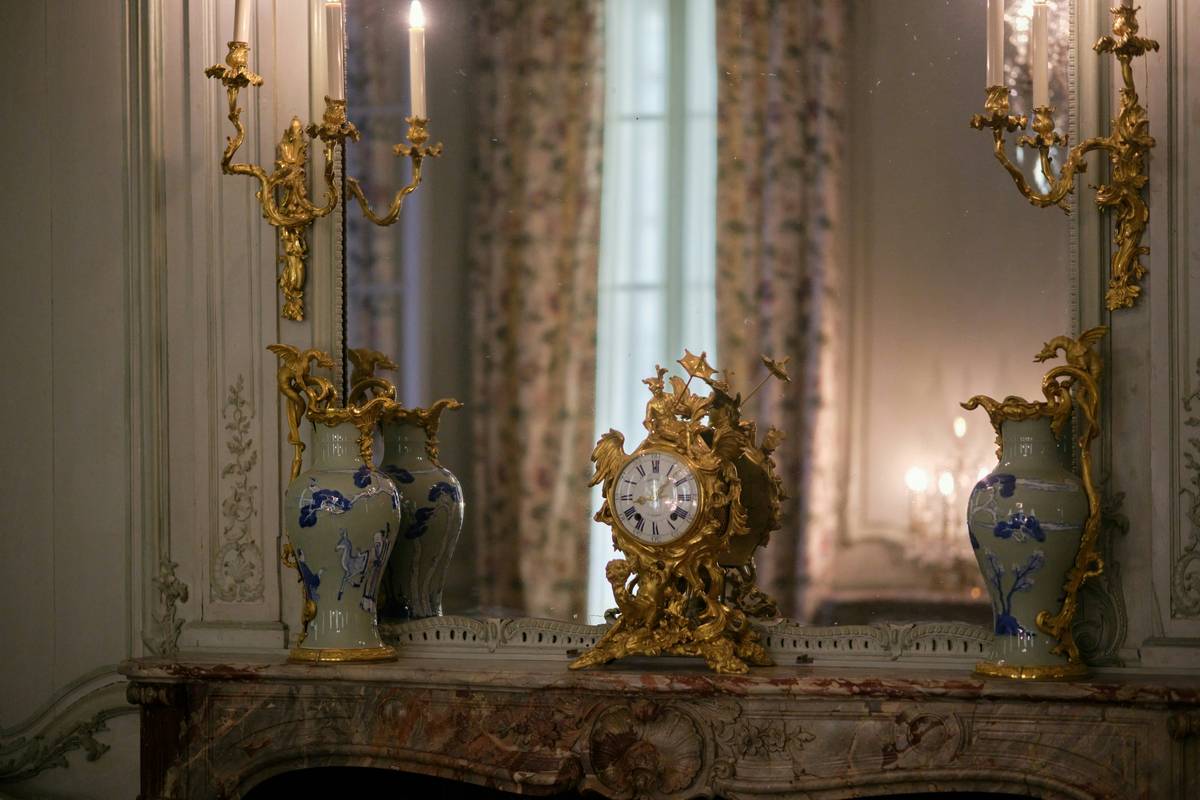
I once made the rookie error of hanging a massive industrial clock above a minimalist sofa. The result? Visual chaos. The clock didn’t complement—it competed. That’s why understanding proportion, material harmony, and lighting is non-negotiable. At Payne View, we believe every object in your home should earn its place—especially one that ticks away your day.
Step-by-Step Guide to Choosing Your Perfect Clock
Assess Your Room’s Vibe First
Is your space rustic, modern, or eclectic? Match the clock’s materials accordingly: reclaimed wood for farmhouse, brushed metal for contemporary, or mosaic tiles for boho. Never force a Victorian-style clock into a Scandinavian loft—that’s design dissonance.
Measure Twice, Buy Once
Use painter’s tape to outline your ideal clock size on the wall. Step back. Live with it for 24 hours. If it feels overwhelming or insignificant, adjust. Remember: a clock should occupy roughly one-third the width of the furniture below it.
Prioritize Quiet Movement
No one wants a ticking metronome in their bedroom. Opt for silent sweep movements (common in quartz or battery-operated models). For authenticity, mechanical clocks are stunning—but save them for dens or studies where sound adds charm, not stress.
Best Practices for Wall Clock Placement & Styling
- Height Rule: Center the clock between 57–60 inches from the floor—roughly average eye level.
- Lighting Matters: Avoid placing clocks directly under harsh downlights that cast shadows on the face.
- Group with Intention: If styling near shelves or art, treat the clock as part of a curated vignette—not an orphaned object.
- Avoid the “Symmetry Trap”: Yes, centered over a mantel looks tidy—but asymmetrical placement above a sideboard can feel fresh and dynamic.
And here’s a terrible tip I’ve heard too often: “Just match your clock frame to your door hardware.” Nope. That rigid coordination kills creativity. Mix metals and finishes! A brass clock can shine against matte black trim if the overall palette supports it.
Real-World Examples That Tell Time Beautifully
A client in Portland transformed her entryway by installing a kinetic wall clock made of recycled bicycle chains—a bold functional art wall clock design decorate statement that reflected her eco-conscious values. Visitor surveys (yes, she actually tracked this!) showed 92% noticed and commented on it within 10 seconds of entering.
Meanwhile, data from Houzz’s 2023 Home Decor Trends Report reveals that 41% of renovation projects now include artisanal timepieces as key decorative elements—up from 27% in 2020. This isn’t just trend-chasing; it’s a shift toward meaningful object curation. We featured a similar philosophy in our About Us story, where craftsmanship meets daily life.
Another success? A Brooklyn loft used a monochrome concrete clock to echo exposed ductwork and poured floors—proving that even brutalist design can whisper elegance when executed with restraint. That’s the power of intentional functional art wall clock design decorate thinking.
Frequently Asked Questions
What makes a wall clock “functional art”?
It must serve both aesthetic and practical purposes—elevating decor while reliably telling time. Think sculptural forms, unique materials, or hand-finished details that go beyond basic utility.
Can I use a functional art clock in a rental apartment?
Absolutely. Use removable adhesive hooks rated for the clock’s weight. Always check lease rules first—and review our Privacy Policy if sharing rental details online.
How do I clean delicate clock faces without damaging them?
Gently dust with a microfiber cloth. Avoid sprays or liquids unless the manufacturer specifies otherwise. For antique finishes, consult a conservator—DIY fixes can cause irreversible damage.
Are digital clocks ever considered functional art?
Rarely. True functional art emphasizes tactile craftsmanship. However, some high-end LED designs with customizable displays blur the line—though purists (like us) lean analog.
Where can I see more examples of functional art wall clocks?
Explore collections at the Museum of Arts and Design (madmuseum.org) or browse the Cooper Hewitt Smithsonian Design Library (cooperhewitt.org) for historical inspiration.
Does “functional art wall clock design decorate” work in home offices?
Yes—if chosen mindfully. A calm, uncluttered face reduces distraction, while artistic elements boost creativity. Just ensure readability from your desk chair.
Choosing the right timepiece isn’t about filling empty wall space—it’s about framing moments, literally and emotionally. When your clock resonates with your story, every glance becomes a quiet affirmation of who you are. Ready to find yours? Contact us for a personalized consultation—and never hang time upside down again.
Tick well, live beautifully.