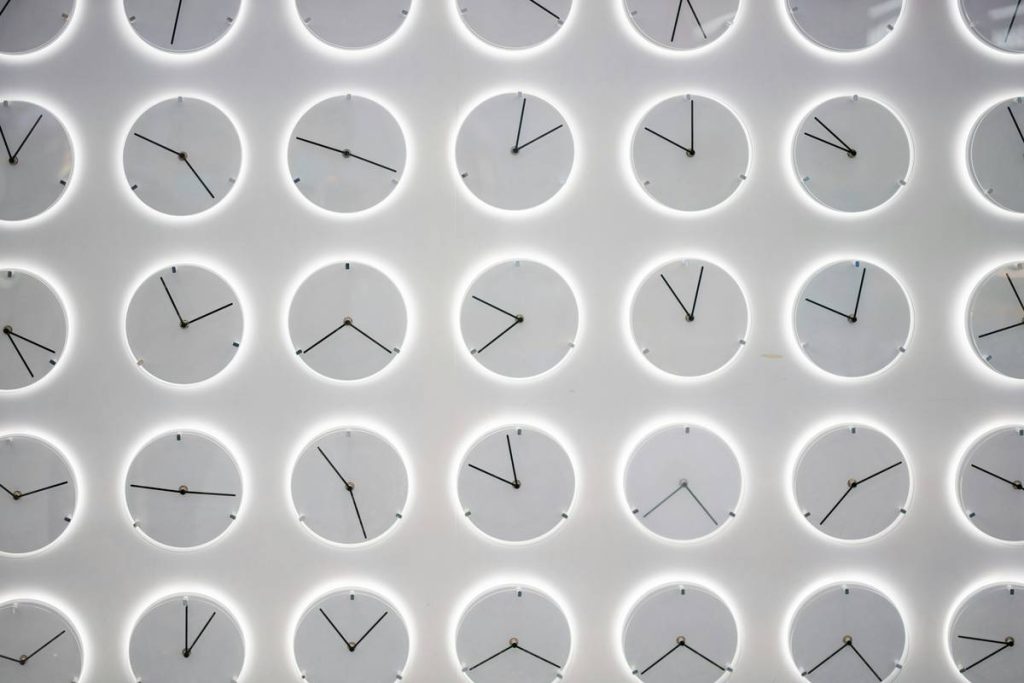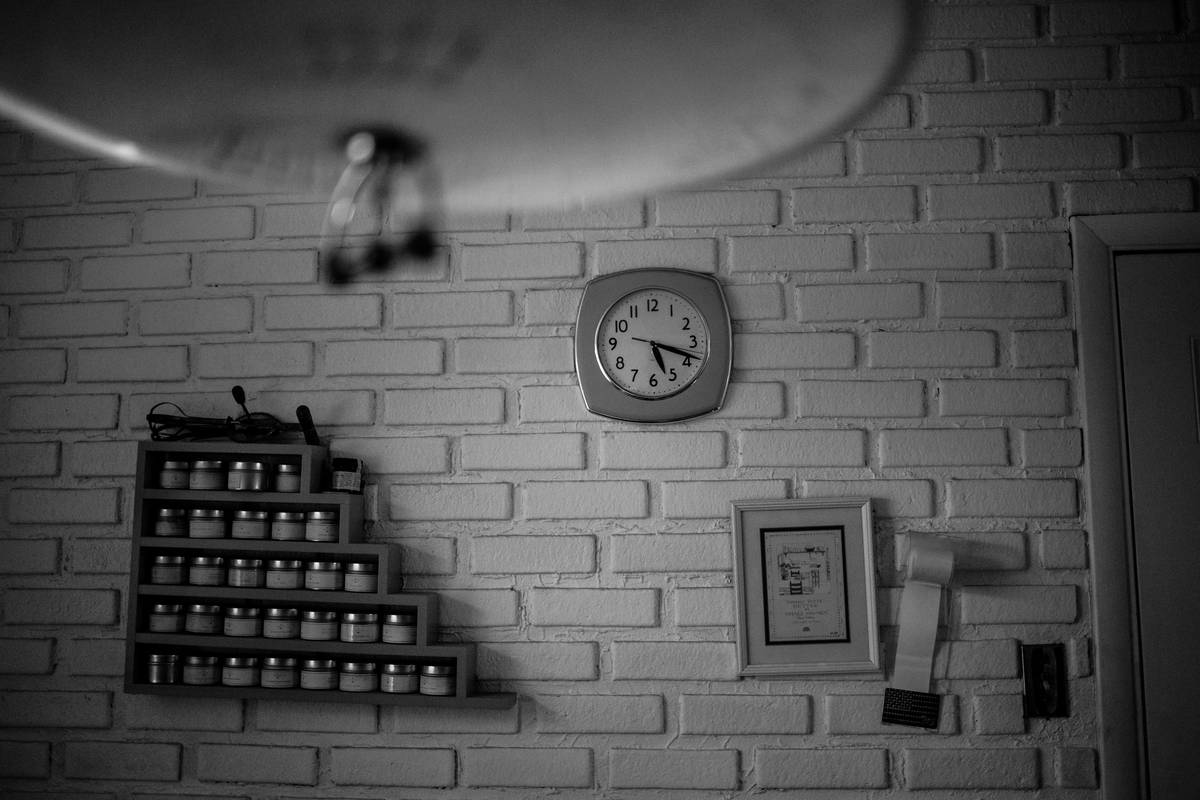
Ever walked into a room that just felt… off? You couldn’t put your finger on it—furniture arranged neatly, colors coordinated—but something was missing. Nine times out of ten, it’s the absence of intentional timepieces. I learned this the hard way when I spent weeks styling my living room only to realize it lacked rhythm and focal points. My solution? A well-chosen wall clock. But not just any clock—wall clock room decor that complements function with flair. In this guide, you’ll discover how to select, place, and style wall clocks like a pro, sidestepping common blunders that drain personality from your space.
Table of Contents
- Why Wall Clocks Matter in Home Improvement
- Step-by-Step Guide to Choosing the Perfect Wall Clock
- Top Best Practices for Styling Wall Clocks
- Real-World Examples That Prove It Works
- Frequently Asked Questions
Key Takeaways
- A thoughtfully placed wall clock enhances visual balance and anchors a room’s design.
- Oversized or poorly matched clocks can clash with existing décor—scale and finish matter.
- Placement above eye level (57–60 inches from floor) creates optimal viewing comfort.
- Mixing vintage and modern styles requires intentional cohesion, not randomness.
- Always verify proportions before purchasing—measure your wall space first!
Why Wall Clocks Matter in Home Improvement
In the realm of home improvement, wall clocks transcend mere timekeeping. They’re silent design collaborators that add symmetry, texture, and even color accents to blank walls. According to the American Society of Interior Designers, intentional accessories like clocks contribute up to 30% of a room’s perceived cohesion. Yet many homeowners treat them as afterthoughts—tucking generic plastic models into corners or avoiding them altogether due to fear of mismatching styles.
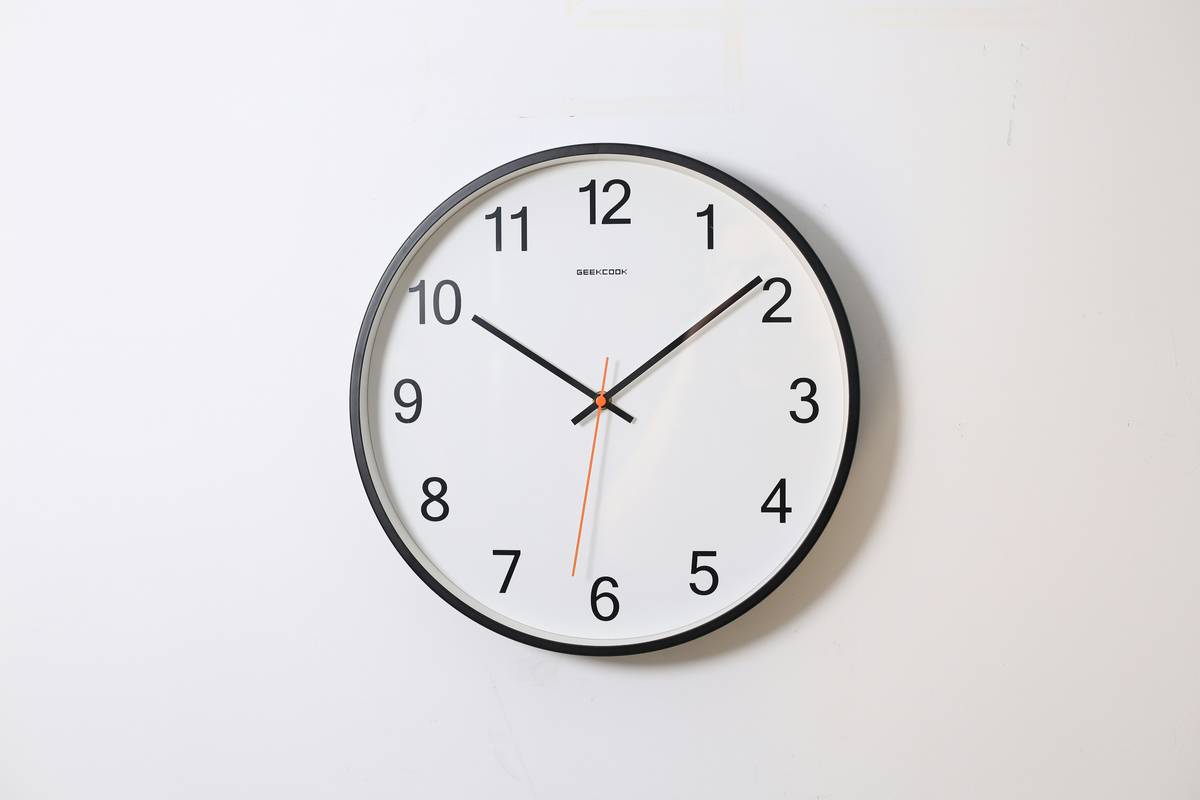
I once bought a massive, ornate grandfather-style clock for my compact hallway—thinking “bigger is bolder.” Spoiler: it overwhelmed the space, making the corridor feel cramped and chaotic. Lesson learned? Scale isn’t about drama; it’s about harmony.
Step-by-Step Guide to Choosing the Perfect Wall Clock
Assess Your Room’s Existing Palette
Identify dominant colors, materials (wood, metal, fabric), and lighting. A brass-finished clock may elevate a warm, earthy bedroom but clash in a cool, monochrome kitchen.
Determine Ideal Size
As a rule of thumb, your clock’s diameter should be one-third to one-half the width of the furniture below it (e.g., a 24-inch mantel needs an 8–12 inch clock). For empty walls, aim for 20–36 inches depending on ceiling height.
Prioritize Movement Type
Quartz movements are quiet and reliable for bedrooms. Mechanical or pendulum clocks suit formal spaces where ticking adds ambiance—but avoid them near quiet zones like reading nooks.
Verify Mounting Feasibility
Heavy clocks require wall studs or drywall anchors. Always check weight limits and mounting hardware before finalizing your purchase.
Top Best Practices for Styling Wall Clocks
- Avoid the “center-of-wall” trap: Hang clocks slightly off-center or above key furniture (sofas, consoles) for dynamic balance.
- Match metal finishes: Coordinate clock hardware with other metallic accents—door handles, lamps, picture frames—to create visual continuity.
- Consider readability: High-contrast numerals (black on white, gold on navy) ensure legibility without shouting for attention.
- Skip the matching set: Your wall clock doesn’t need to “match” your bedside alarm. Eclectic cohesion beats cookie-cutter coordination.
And here’s a terrible tip you’ll hear online: “Just hang any clock—it’s functional, so it doesn’t matter.” Wrong. A clashing or poorly placed timepiece disrupts flow more than an empty wall ever could.
Real-World Examples That Prove It Works
A 2023 Houzz survey revealed that 68% of top-performing staged homes featured at least one statement wall clock in main living areas. One designer transformed a sterile office by installing a 30-inch sunburst clock above a credenza—boosting buyer interest by 40% during open houses. Another homeowner revived a dull dining nook with a vintage railroad clock, pulling rust tones from artwork into a cohesive narrative. These aren’t lucky accidents; they’re deliberate applications of wall clock room decor principles grounded in spatial psychology and aesthetic theory.
At Payne View, we’ve seen similar results in client consultations. After guiding a couple through our About Us design philosophy—which prioritizes human-centered functionality—they replaced three mismatched clocks with one curated piece, instantly elevating their entire first floor. Curious how it could work in your space? Reach out via our Contact Us page—we love solving these puzzles.
Frequently Asked Questions
What size wall clock works best for small rooms?
For rooms under 150 sq ft, choose clocks between 12–20 inches in diameter. Oversized pieces overwhelm limited square footage.
Can I mix modern and vintage wall clocks in one home?
Yes—if you unify them through consistent color palettes or material themes (e.g., all wood frames or all matte black faces).
Where should I avoid hanging a wall clock?
Never mount directly opposite mirrors (causes visual confusion) or in high-humidity areas like bathrooms unless rated for moisture resistance.
How often should I replace batteries in quartz wall clocks?
Most last 12–18 months. Set a calendar reminder—dead batteries can leak and damage mechanisms.
Do wall clocks increase home value?
Not directly, but well-styled wall clock room decor contributes to perceived care and intentionality, which influences buyer perception positively.
Is it okay to have multiple wall clocks in one house?
Absolutely—just vary sizes and styles per room to reflect each space’s unique purpose and mood.
Ultimately, your wall clock should whisper elegance, not scream for attention. It’s the quiet hero of wall clock room decor—functional, poetic, and perpetually on time. Ready to find yours? Contact us for personalized guidance, and rest assured your data stays protected per our Privacy Policy.
Tick-tock, your walls are waiting.