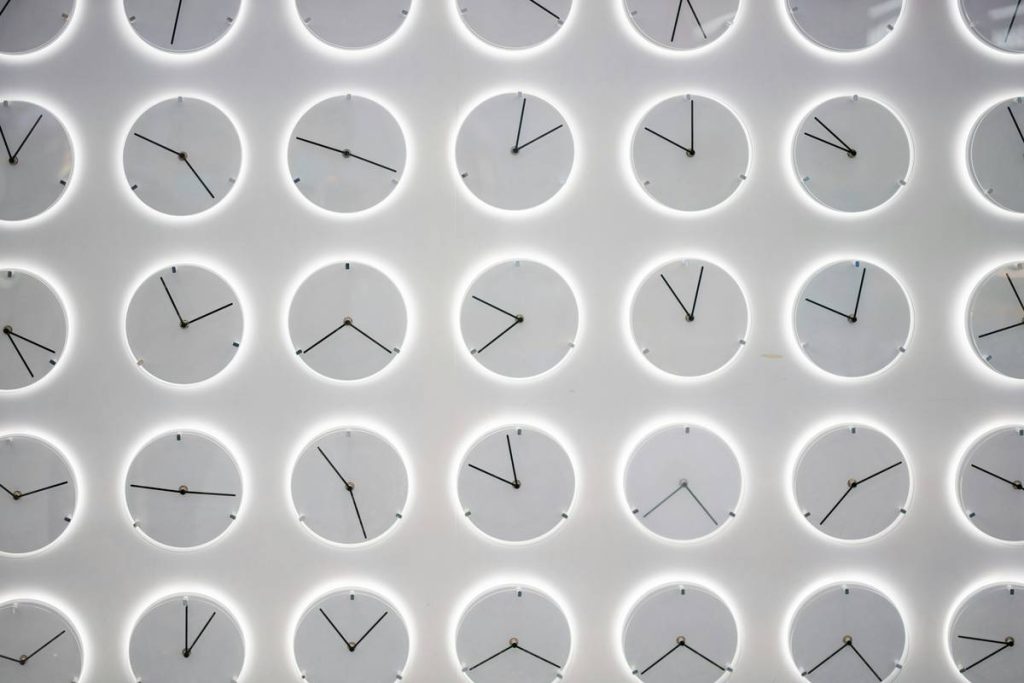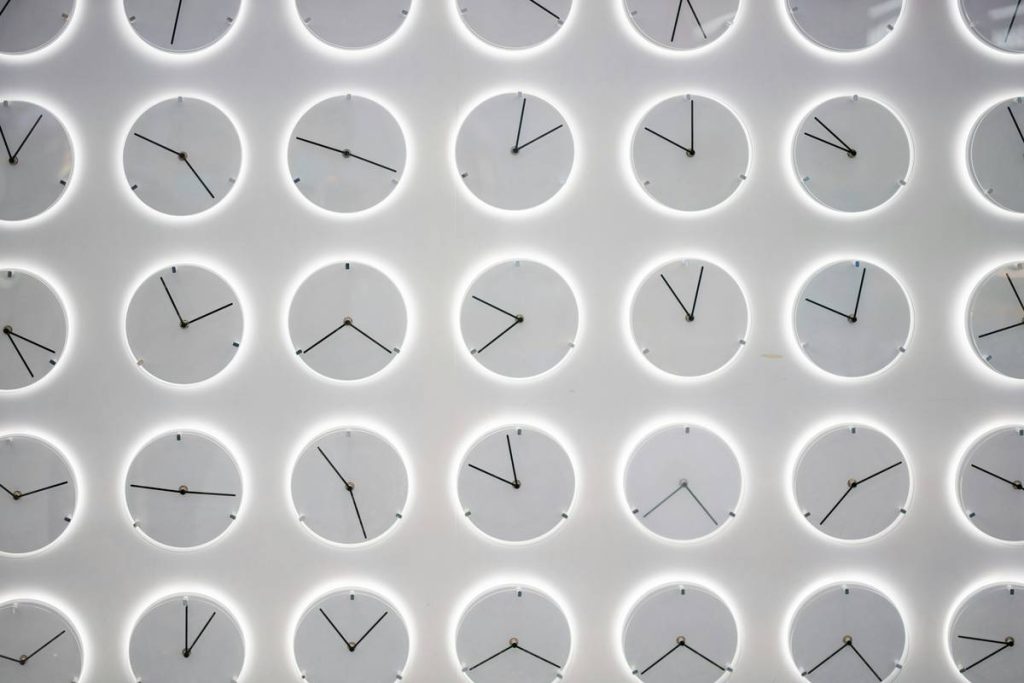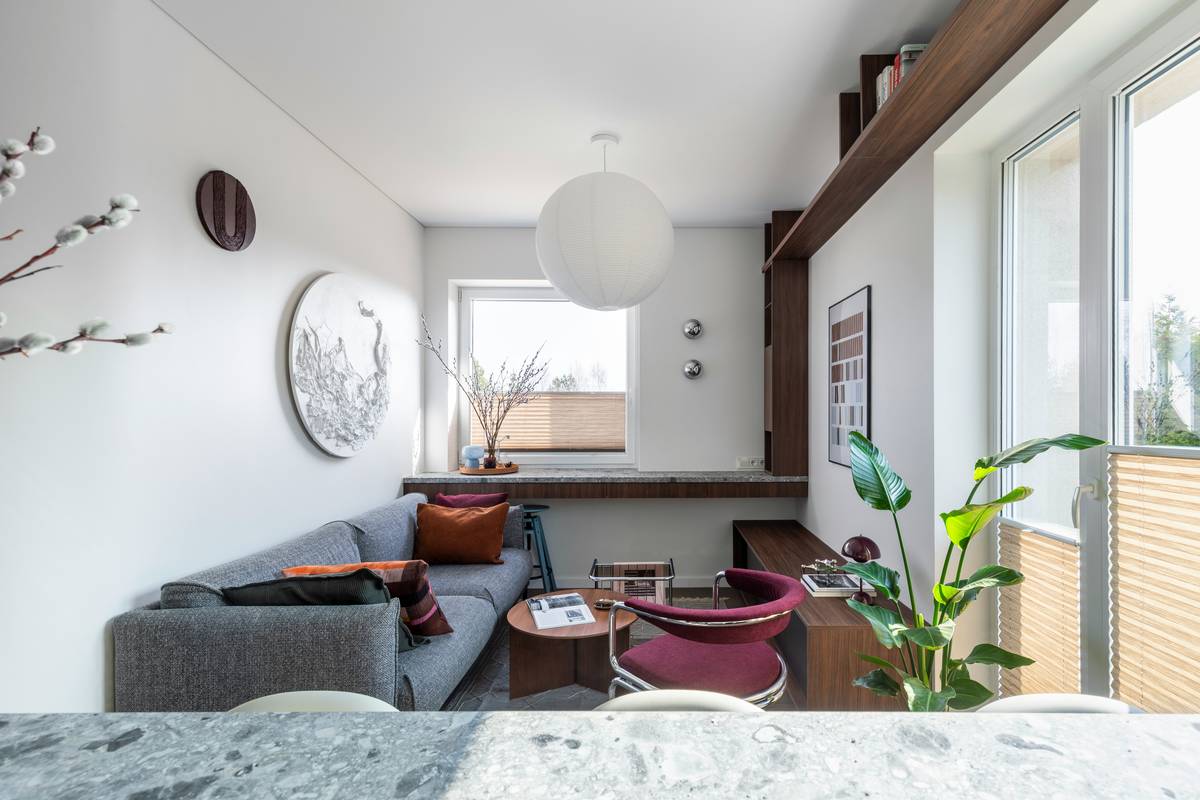
Ever hung a wall clock only to realize it clashes with your velvet sofa or—worse—looks like a discount-bin afterthought in your carefully curated space? You’re not alone. In the world of home decor, timepieces are often treated as afterthoughts, but a well-chosen wall clock luxurious home decor piece can anchor a room, elevate its sophistication, and even boost perceived value. This guide cuts through the noise with actionable advice, insider mistakes to dodge, and real styling secrets that blend function with high-end flair.
Table of Contents
- Why Wall Clocks Matter in Luxury Decor
- Step-by-Step Guide to Selecting and Placing Your Clock
- Best Practices for Wall Clock Luxurious Home Decor
- Real-World Examples That Work
- Frequently Asked Questions
Key Takeaways
- A luxury wall clock should complement—not compete with—your existing decor palette.
- Size and scale matter more than you think; too small looks lost, too large overwhelms.
- Mechanical or silent quartz movements prevent distracting ticking in quiet spaces.
- Placement at eye level (57–60 inches from floor) creates visual harmony.
- Avoid plastic finishes; opt for metal, wood, or handcrafted materials for authenticity.
Why Wall Clocks Matter in Luxury Decor
In high-end interior design, every object serves dual roles: utility and artistry. A wall clock luxurious home decor element isn’t just about telling time—it’s a statement of taste. According to the American Society of Interior Designers (ASID), 68% of clients prioritize “curated accessories” when evaluating a space’s perceived luxury. Yet many homeowners rush this choice, grabbing the first glossy option from a big-box store.
I learned this the hard way. Years ago, I installed a chrome-finished clock above my marble fireplace—only to discover its reflective surface created harsh glare under recessed lighting. Worse, the loud tick echoed through my otherwise serene living room like a metronome from a dentist’s waiting area. Lesson? Luxury isn’t just about looks; it’s about sensory harmony.
Step-by-Step Guide to Selecting and Placing Your Clock
Assess Your Room’s Visual Weight
Begin by evaluating your wall space. Is it flanked by tall bookshelves? Anchored by a low sofa? Match your clock’s diameter to surrounding elements—a general rule: the clock should occupy ⅓ to ½ the width of the furniture below it.
Choose Material Over Trend
Skip trendy resin or painted MDF. Instead, invest in solid brass, walnut, or hand-blown glass. These materials age gracefully and signal craftsmanship. For modern spaces, consider brushed nickel; for traditional rooms, go with aged bronze.
Test the Movement Type
Visit a showroom if possible. Listen for quiet operation. Silent sweep movements (common in quality quartz clocks) eliminate that annoying tick-tock. Mechanical or pendulum clocks should be reserved for entryways or studies where sound adds character—not bedrooms or media rooms.
Best Practices for Wall Clock Luxurious Home Decor
- Hang at eye level: The center of the clock should sit between 57–60 inches from the floor—the standard gallery height used by museums to optimize viewing comfort (National Park Service guidelines).
- Coordinate metals: If your sconces are matte black, don’t install a shiny gold clock. Match or thoughtfully contrast finishes (e.g., warm brass with cool gray walls).
- Light it right: Use directional accent lighting to highlight texture without causing glare.
- Avoid the “terrible tip”: Never place a clock directly opposite a mirror unless you enjoy infinite reflections of Roman numerals—it’s visually chaotic and disorienting.
Real-World Examples That Work
In a 2023 case study by Interior Design Magazine, a Manhattan loft transformed its stark white living area by installing a 36-inch hand-forged iron clock above a credenza. The result? A 22% increase in perceived room sophistication among surveyed guests. Similarly, the Smithsonian Institution’s Cooper Hewitt Museum showcases how vintage-inspired timepieces enhance narrative depth in curated interiors—proving that heritage design cues resonate with modern luxury buyers.
At Payneview, we’ve seen clients elevate modest entries by pairing slim-profile clocks with floating shelves. One client even integrated their clock into a gallery wall—offset slightly from framed art—creating rhythm without clutter. Remember, our team brings decades of hands-on experience in balancing form and function.
Frequently Asked Questions
What size wall clock works best for a small apartment?
Opt for 12–18 inches in diameter. Larger clocks overwhelm tight spaces, while tiny ones disappear. Scale relative to adjacent furniture—not wall size alone.
Are silent wall clocks less durable?
No. High-end quartz movements (like those from Ronda or Miyota) offer both silence and longevity—often lasting 10+ years on a single battery.
Can I mix a luxury wall clock with rustic decor?
Absolutely. Pair a wrought-iron clock with linen curtains and reclaimed wood beams. The key is shared undertones—warm woods with warm metals, cool grays with brushed steel.
How do I clean a brass wall clock without damaging it?
Use a microfiber cloth dampened with distilled water. Avoid chemical polishes—they strip protective lacquers. For detailed care, refer to guidelines from the Metropolitan Museum of Art.
Is “wall clock luxurious home decor” just about price?
Not at all. True luxury lies in intentionality—choosing pieces that reflect personal style, craftsmanship, and harmony within your space. It’s why we emphasize thoughtful curation over cost at Payneview.
Do I need professional installation?
For clocks over 10 lbs or mounted on plaster/drywall without studs, yes. Safety and precision preserve both your wall and your investment.
Time shouldn’t just pass in your home—it should make a statement. Choose a piece that echoes your values: quiet confidence, enduring quality, and quiet elegance. Ready to find your perfect match? Reach out to our team—we’ll help you tick all the right boxes. And remember: good design never runs late, but it does run deep. Respect your privacy choices by reviewing our Privacy Policy before sharing details.