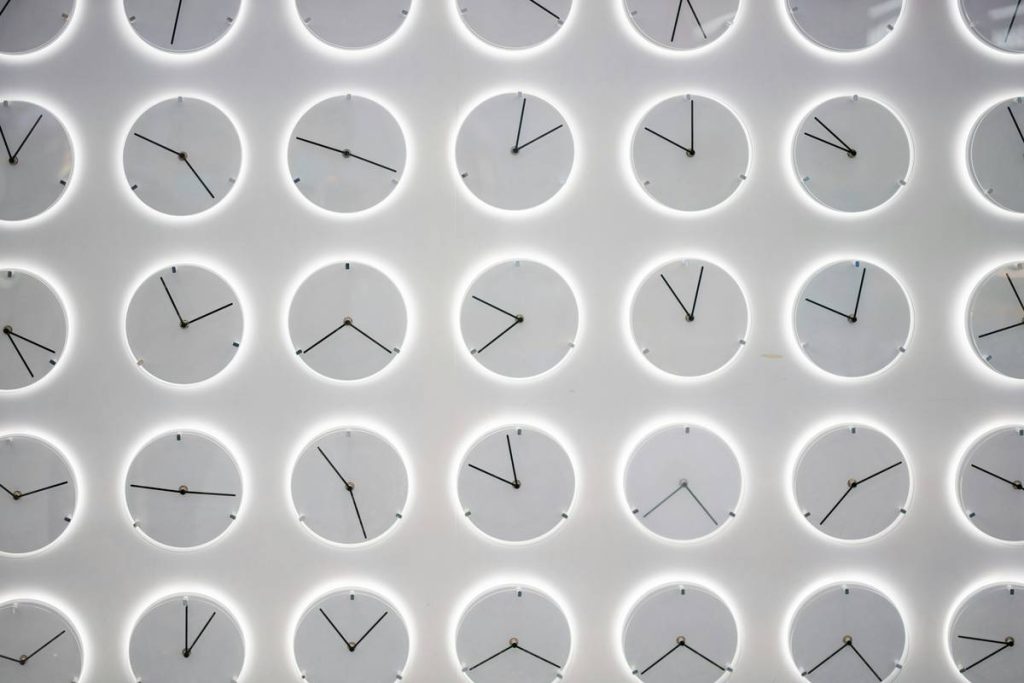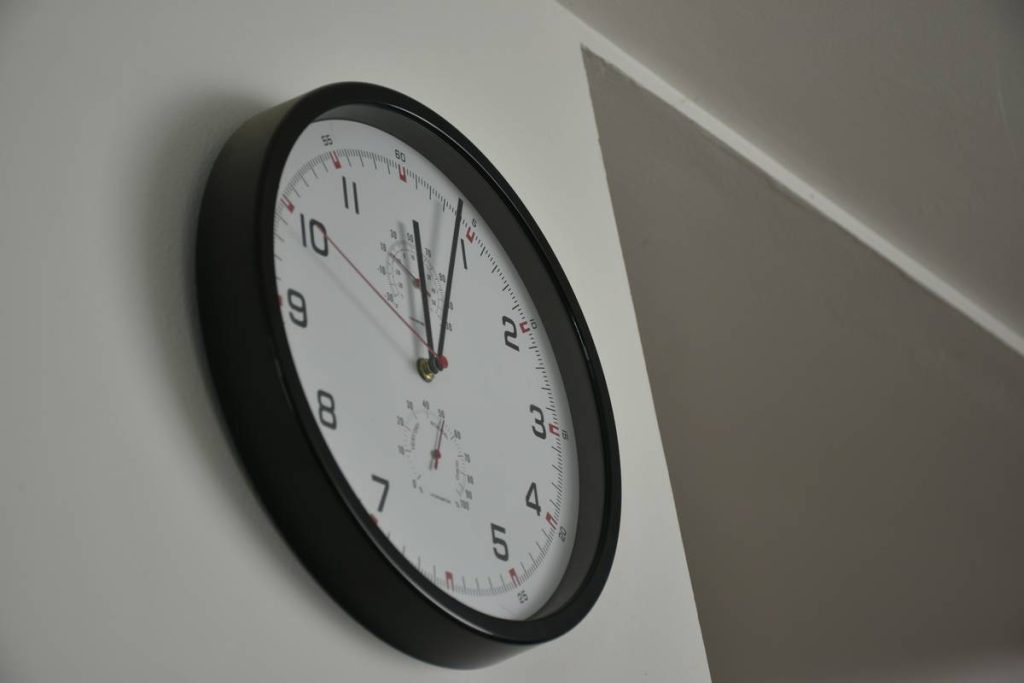
You bought a wall clock because your phone battery dies too fast—only to realize it clashes with everything. Now it’s just… there. Dead weight on drywall. And the worst part? Most “decor tips” online treat clocks like afterthoughts. But here’s the fix: wall clock home decor ideas shouldn’t be about matching paint swatches. They’re about rhythm, scale, and quiet confidence. Let’s get it right.
Why 90% of Wall Clock Decor Fails
People hang clocks like they’re filling empty space—not designing visual anchors. They pick shapes that fight their room’s geometry. Or worse—they go oversized in a cramped hallway and create visual chaos. Think about it: a round vintage clock screams elegance in a minimalist loft but drowns in a busy boho bedroom. Context isn’t optional—it’s the rule. And most blogs skip this entirely.
Wall Clock Home Decor Ideas: A Real-World Strategy
Forget arbitrary rules. Start with your room’s energy—not its color palette. Is it calm? Lively? Cluttered or clean? Your clock should amplify that feeling, not contradict it.
Match Shape to Room Flow
Angular rooms (think sharp furniture lines, square windows) breathe better with organic shapes—round or oval clocks soften edges. Curved sofas? Try a geometric clock for contrast. Balance—not symmetry—is the goal.
Go Bold or Go Invisible
A statement clock demands breathing room. If you’ve got gallery walls, skip the ornate grandfather style—it’ll vanish. Instead, lean into minimalism: thin hands, no numerals, matte black frame. Conversely, in sparse spaces, lean bold. Think sunburst mirrors with integrated timepieces or hand-painted ceramic faces.

Skip the Center—Aim for Eye-Level Zones
Nobody checks the time staring at the ceiling. Hang your clock so the center hits between 54–60 inches from the floor. In kitchens? Above the coffee maker. Hallways? Align with door handles. Practicality first—design second.
| Clock Type | Ideal Room | Avoid In | Price Range (USD) |
|---|---|---|---|
| Vintage Analog (wood/metal) | Living rooms, studies | Kids’ rooms, utility spaces | $40–$150 |
| Minimalist Digital | Home offices, modern kitchens | Traditional bedrooms, rustic dens | $25–$80 |
| Artistic/Decorative (non-functional) | Galleries, entryways | Any space needing actual timekeeping | $60–$200+ |
| Industrial Gears/Mechanical | Lofts, man caves, workshops | Cozy nurseries, spa-like bathrooms | $75–$250 |

The Industry Secret: Clocks Are Silent Mood Directors
Here’s what interior stylists won’t tell you: wall clocks manipulate perceived time. A slow-sweep second hand (like in high-end quartz movements) subconsciously signals calm—ideal for bedrooms or reading nooks. Fast-ticking? Energizing—but exhausting if overused. And that ticking sound? In open-plan homes, it layers ambient noise that can either soothe or irritate. Pro move: test the acoustics before mounting. Silence isn’t always golden—sometimes, rhythm is.
Frequently Asked Questions
Where should I hang a wall clock for best decor impact?
Eye-level in primary sightlines—above a mantel, centered on a blank wall opposite seating, or aligned with key furniture edges. Avoid cramming it into corners.
Can I mix a modern clock with traditional decor?
Yes—if you anchor it with shared materials. A brushed brass modern clock works in a Victorian room if lamps or frames echo that metal tone.
Do wall clocks need to match other hardware?
Not exactly. They should complement, not clone. Different finishes are fine if they share warmth (e.g., oil-rubbed bronze + walnut wood).