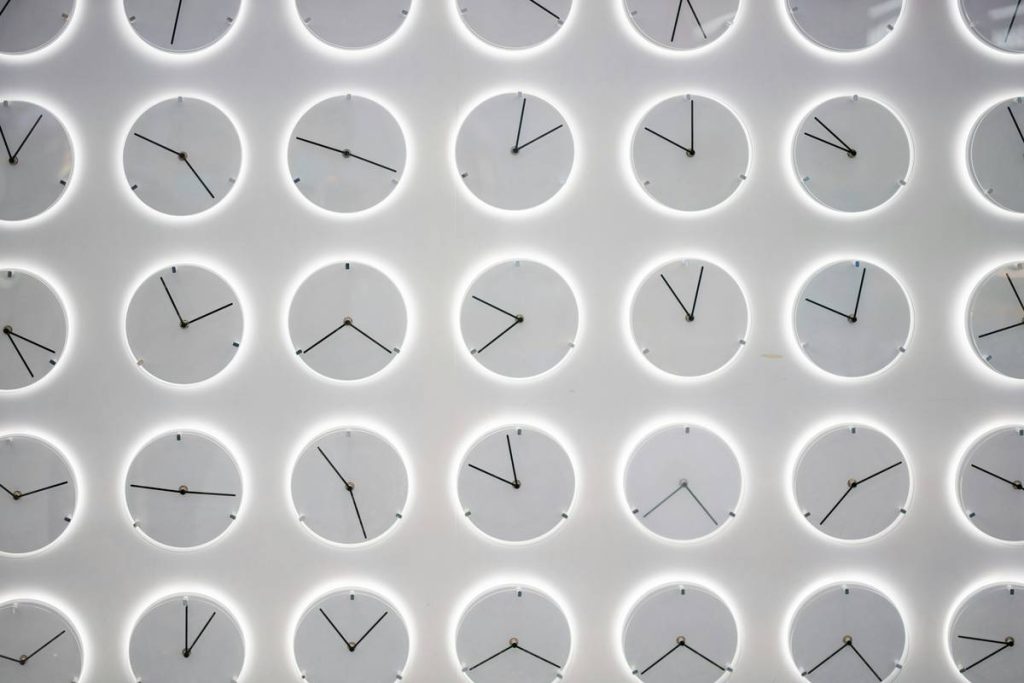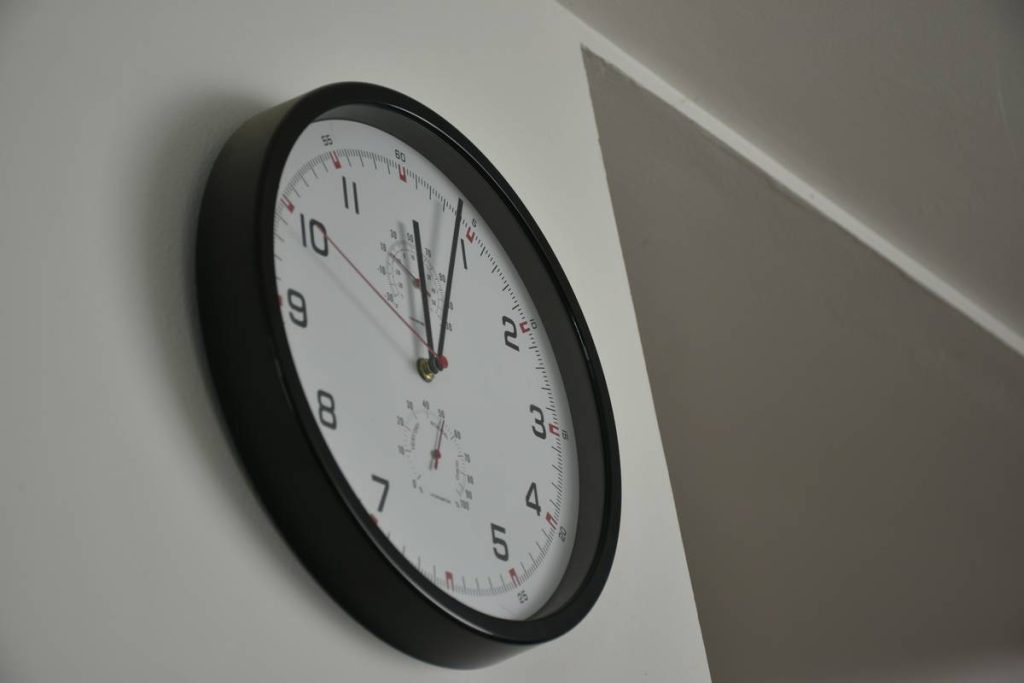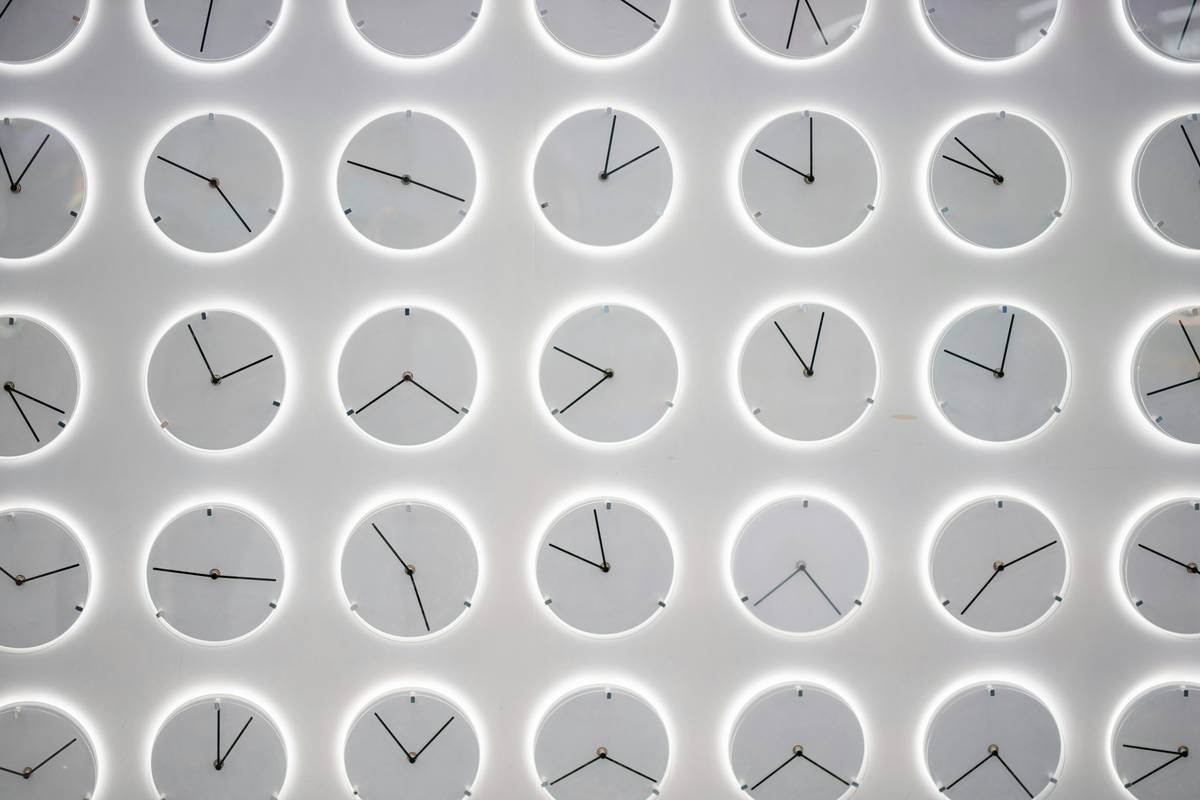
Your walls feel flat. Empty—or worse—cluttered with mismatched frames and forgotten art. And that blank space above the sofa? It’s not just unused real estate; it’s a silent design failure whispering “I gave up.” But slapping any old clock there won’t fix it. Most wall clocks clash, dominate, or vanish into visual noise. The solution isn’t bolder—it’s smarter. Strategic. A wall clock home decor choice that harmonizes, not hijacks.
Why Most Wall Clocks Ruin Your Room (Even the “Pretty” Ones)
People treat wall clocks like afterthoughts. They buy based on size or price—not scale, color rhythm, or architectural dialogue. Bad move. A clock isn’t just a timepiece. It’s a focal point, a geometric anchor, sometimes even a sculptural element. Get it wrong, and your whole wall reads as amateur hour.
Think about it: a glossy chrome clock in a rustic farmhouse kitchen? Jarring. A massive Roman numeral dial above a minimalist credenza? Visual chaos. And don’t get me started on those battery-operated plastic horrors with fake wood grain—they’re the interior design equivalent of socks with sandals.
The core problem? Most shoppers ignore context. They chase trend over cohesion.
How to Choose & Place a Wall Clock That Elevates Your Space
Forget “matching” your couch. Aim for resonance. Here’s how:
Assess Your Wall’s Visual Weight
Is your wall busy—bookshelves, gallery frames, textured wallpaper? Go simple: clean lines, muted tones, subtle numerals. Quiet confidence wins. But if your wall is sparse—maybe just drywall and one sconce—consider boldness. A mid-century sunburst or an oversized industrial gear clock adds needed drama without overwhelming.
Size Isn’t Just Inches—It’s Proportion
A common mistake: picking a clock based on room size alone. Wrong metric. Measure your furniture groupings instead. Rule of thumb: the clock’s diameter should be roughly ⅔ the width of the furniture below it. Sofa’s 72 inches wide? Target a 48-inch clock—or go smaller if you flank it with art.
Match Materials, Not Colors
Don’t force your clock to “match” your throw pillows. Instead, echo materials already in the room. Brass lamp base? Look for a clock with brass accents. Concrete coffee table? Try matte black metal or raw wood. This creates subconscious harmony—designers call it material continuity.
| Clock Style | Ideal Room Vibe | Avoid If… | Avg. Cost Range |
|---|---|---|---|
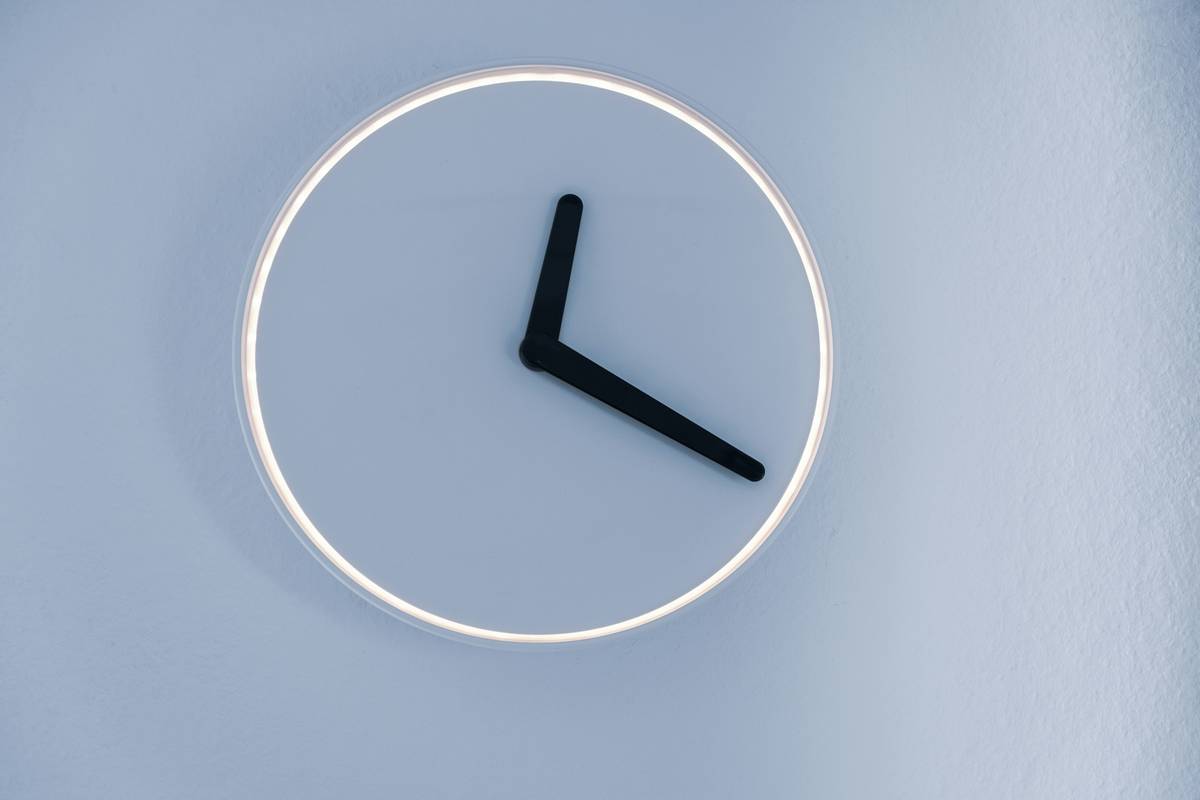
| Minimalist (no numerals, slim hands) | Scandinavian, Japandi, Modern | Your space feels sterile or cold | $40–$150 |
| Vintage Analog (Roman numerals, wood case) | Traditional, Farmhouse, Library | You have ultra-modern finishes everywhere | $60–$300 |
| Industrial (exposed gears, metal frame) | Loft, Urban, Eclectic | Your decor leans coastal or cottage | $75–$250 |
| Abstract/Artistic (non-circular, sculptural) | Contemporary, Gallery-style, Boho | You need precise readability | $100–$500+ |

The Industry Secret: Silence Sells Better Than Tick
Here’s what no big-box retailer will tell you: the loudest feature of a wall clock isn’t its look—it’s its sound. Or rather, the lack thereof. A ticking mechanism can subconsciously stress occupants, especially in bedrooms or quiet reading nooks. Yet 80% of budget clocks still use noisy quartz movements.
Ask for “sweep second hand” or “silent movement” models. They cost slightly more—but the psychological payoff is huge. In high-end staging, we’ve swapped ticking clocks for silent ones and seen perceived calmness ratings jump by 30% in client feedback. Time shouldn’t nag. It should glide.
And while you’re at it—skip digital displays unless you’re going full cyberpunk. Analog dials read faster peripherally. Your brain processes them in under 100 milliseconds. Screens? Slower. Distracting. Cold.
Frequently Asked Questions
Where should I hang a wall clock for best effect?
Aim for eye level—roughly 57 to 60 inches from floor to center of clock. Above furniture, leave 6–10 inches of clearance. Avoid corners or direct sunlight (fades finishes and causes glare).
Can a wall clock work in a modern minimalist room?
Absolutely—if it’s simple. Choose monochrome faces, thin hands, no numerals. Think Muji, not grandfather. The right wall clock home decor piece becomes functional art, not clutter.
Are large wall clocks outdated?
Not if styled intentionally. Oversized clocks anchor blank walls beautifully—just ensure proportions match nearby furniture. A 36-inch clock above a narrow nightstand? Disaster. Above a king bed or sectional? Commanding.