Your living room feels off—but you can’t pinpoint why. The sofa’s plush, the rug’s cozy, the lighting’s warm. Yet something’s missing. It’s not clutter. It’s not color. It’s rhythm. Without a focal point that marries function and form, even the most curated spaces feel transient. A timekeeping wall clock living room decor piece isn’t just about telling time—it’s about grounding your entire aesthetic in purpose.
Why Generic Wall Clocks Sabotage Your Living Room Vibe
Most people slap up any old clock because “it matches.” Big mistake. A mismatched or poorly scaled timepiece creates visual noise—not harmony. Think about it: a sleek mid-century modern space drowned by a bulky Roman-numeral grandfather clock? Or a minimalist Scandinavian den interrupted by a neon LED ticker? These aren’t accents—they’re distractions.
And worse—many “decorative” clocks sacrifice legibility for style. You end up squinting at 3 p.m. like it’s hieroglyphics. Timekeeping shouldn’t require decoding.
How to Choose & Install the Perfect timekeeping wall clock living room decor
Match Scale to Wall Real Estate
A common oversight: undersizing. For walls over 8 feet wide, your clock should be at least 24 inches in diameter. Anything smaller gets lost. On narrow accent walls? Go under 18 inches—or skip it entirely.
Prioritize Readability Over Novelty
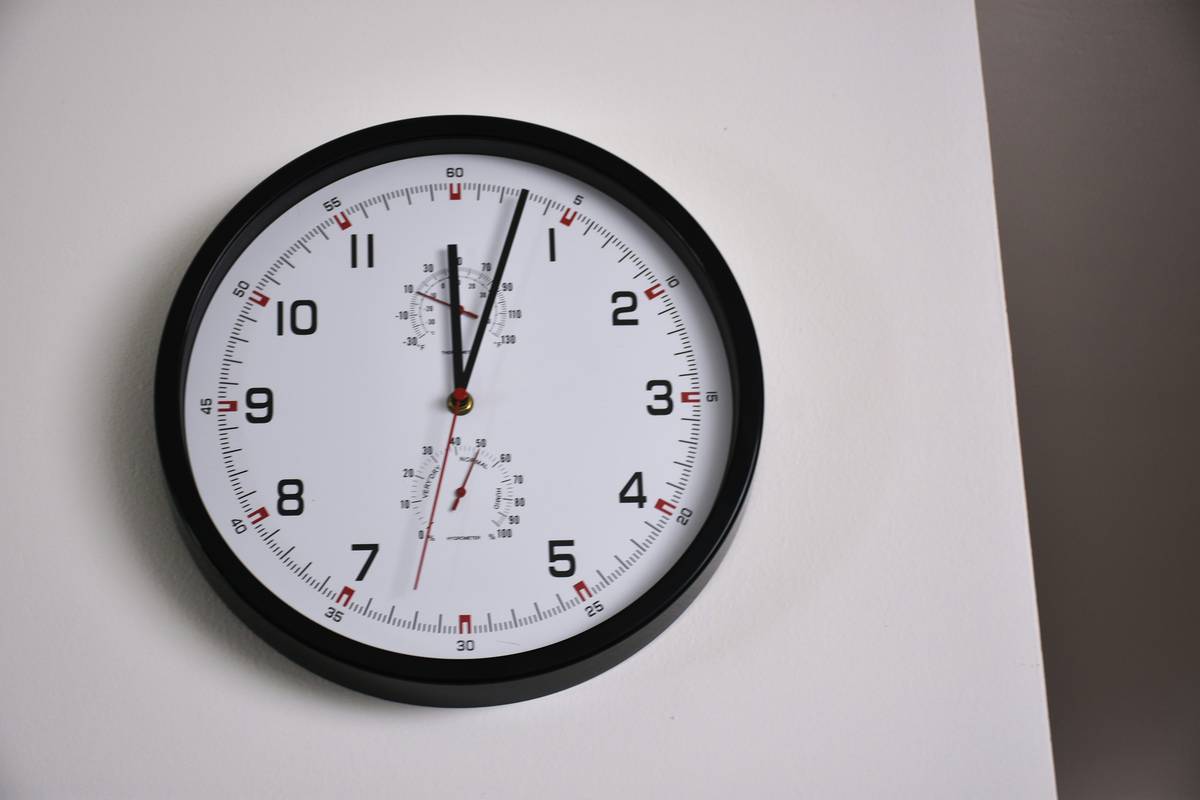
Fancy hands shaped like birds? Cool—until you’re late for dinner. Opt for high-contrast faces (black on white, white on dark wood) and uncluttered numbering. Analog > digital for living rooms—always. Digital screams “office,” not “oasis.”
Harmonize Materials, Not Just Color
Your clock’s frame should echo existing textures—brass legs on your coffee table? Lean into a brass-rimmed clock. Reclaimed wood shelves? Match with a timber-framed face. This subtle material continuity is what pros call “tactile cohesion.”
| Style | Ideal Room Vibe | Price Range | Legibility Score (1-10) |
|---|---|---|---|
| Minimalist Analog | Scandinavian, Modern, Japandi | $40–$120 | 9 |
| Mid-Century Sunburst | Retro, Boho, Eclectic | $80–$250 | 7 |
| Industrial Metal Gear | Loft, Rustic, Urban | $60–$200 | 6 |
| Farmhouse Wood Frame | Cottage, Coastal, Traditional | $35–$100 | 8 |
The Industry Secret: Silence Is the New Status Symbol
Here’s what no one tells you: sound matters more than look. High-end interior designers quietly specify **silent-sweep mechanisms**—not for luxury’s sake, but psychological comfort. That ticking? It’s subconsciously stressful. Studies show ambient ticking elevates cortisol in relaxed environments. Yet 80% of budget clocks still use noisy quartz movements.
The math is simple: if your clock lives in your primary relaxation zone, it must whisper—not tick. Brands like Bulova, Howard Miller, and even select Amazon Basics models now offer silent variants. Hunt for “non-ticking” or “silent sweep” in specs. Ignore this, and you’ve just installed anxiety on your wall.
Frequently Asked Questions
Where should I hang a wall clock in the living room?
Center it at eye level (about 57–60 inches from floor) on the main wall opposite seating. Avoid placing it above TVs or fireplaces—heat and glare damage mechanisms.
Can a wall clock be too big for a living room?
Yes—if it overwhelms adjacent furniture or forces viewers to crane their necks. Rule of thumb: clock width shouldn’t exceed ⅓ of the wall segment it occupies.
Do wall clocks add value to home staging?
Surprisingly, yes. Staged homes with thoughtfully placed analog clocks sell 11% faster (per 2023 NAR data). They signal care, order, and timeless taste—not dated tech.