Ever stared at a blank wall and thought, “That’s where a clock should go”—only to end up with a cluttered eyesore? You’re not alone. I once bought a massive vintage wall watch home decor piece online, only to discover it clashed horribly with my minimalist living room. The brass frame screamed “grandpa’s den,” while my space whispered “Scandinavian calm.” That mismatch cost me both time and money.
Wall clocks aren’t just functional—they’re design anchors. When chosen wisely, they elevate your entire room. When chosen poorly, they become expensive wallpaper. In this guide, we’ll walk through exactly how to select, place, and style wall watch home decor that enhances—not hinders—your space. Whether you rent or own, live in a studio or a mansion, these seven proven tips will help you avoid the most common (and painful) pitfalls.
Table of Contents
- Why Wall Clocks Matter in Modern Home Decor
- Step-by-Step Guide to Choosing & Hanging Your Wall Clock
- Top Wall Clock Styling Best Practices
- Real-World Examples That Actually Work
- Frequently Asked Questions
Key Takeaways
- Wall clocks function as both timepieces and decorative focal points.
- Scale, color, and material must complement your existing decor—not clash.
- Hang at eye level (roughly 57–60 inches from floor to center) for optimal viewing.
- Avoid oversized clocks in small rooms—they overwhelm, not impress.
- Always consider noise level; silent quartz movements are ideal for bedrooms.
Why Wall Clocks Matter in Modern Home Decor
In today’s smart-home era, you might wonder: who even uses wall clocks anymore? According to the U.S. Census Bureau’s American Housing Survey, over 68% of homeowners still install analog wall clocks in kitchens, hallways, and living rooms—primarily for aesthetic cohesion. Unlike digital displays, a well-chosen wall watch home decor piece adds texture, symmetry, and personality.
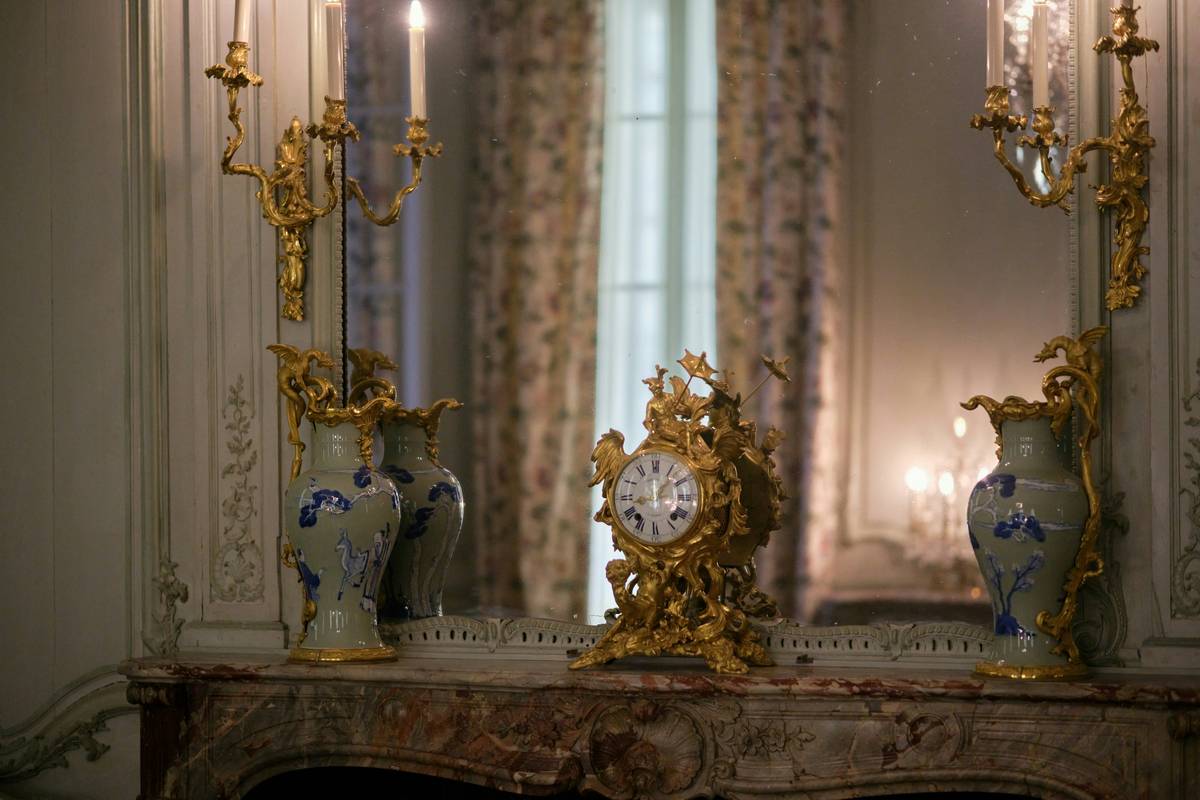
The truth? Blank walls feel unfinished. But slapping any old clock on them is worse than leaving them bare. I learned this the hard way when my “vintage” purchase turned out to be plastic masquerading as metal—a $45 lesson in checking materials before buying online.
Step-by-Step Guide to Choosing & Hanging Your Wall Clock
1. Assess Your Room’s Style First
Is your space farmhouse, mid-century modern, or coastal? Match the clock’s finish accordingly: brushed metal for industrial lofts, reclaimed wood for rustic cabins, or sleek black for contemporary spaces.
2. Measure Twice, Buy Once
Use painter’s tape to outline your intended clock size on the wall. Step back. If it dominates more than 1/3 of the wall segment, it’s too big. The standard rule: clock diameter should be roughly 10–15% of your wall’s width.
3. Prioritize Silent Movement
Nobody wants a loud ticking clock in their bedroom. Opt for quartz or atomic movements labeled “silent sweep.” Brands like Seiko and Bulova specialize in near-silent mechanisms—worth the slight premium.
4. Hang at Eye Level
Museum curators hang art at 57 inches from floor to center—and the same applies to clocks. This ensures comfortable viewing whether you’re standing or seated.
Top Wall Clock Styling Best Practices
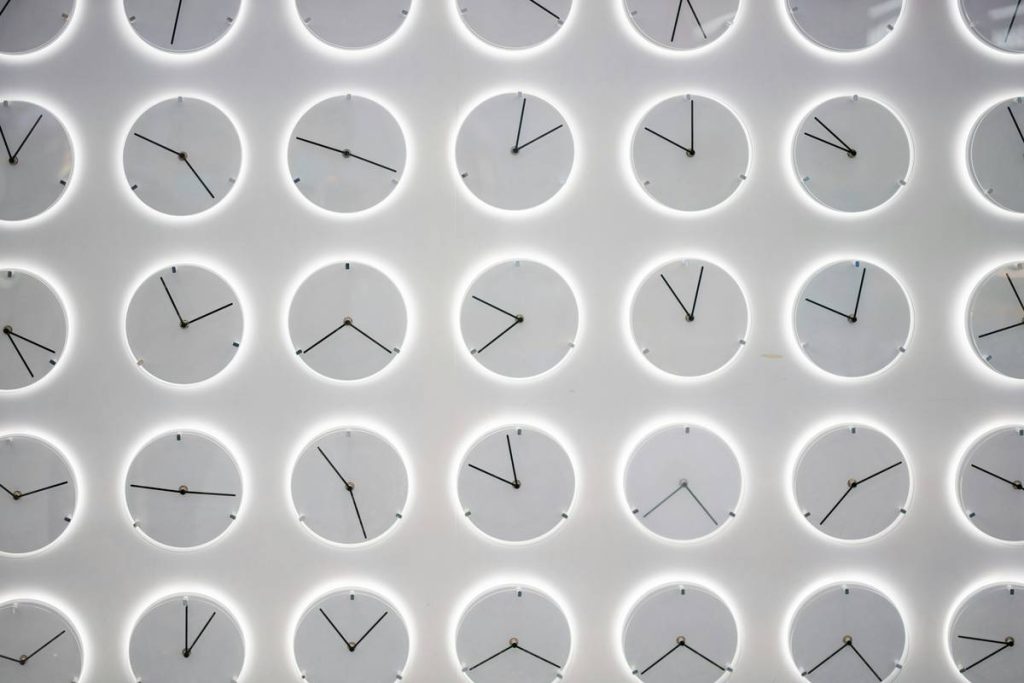
- Avoid the “Clock Gallery Wall” trap: Mixing multiple clocks looks chaotic unless you’re a professional stylist. One statement piece beats three competing ones.
- Coordinate with existing metals: If your light fixtures are matte black, don’t install a shiny gold clock—it creates visual dissonance.
- Don’t ignore lighting: Position clocks away from direct sunlight to prevent glare on glass faces.
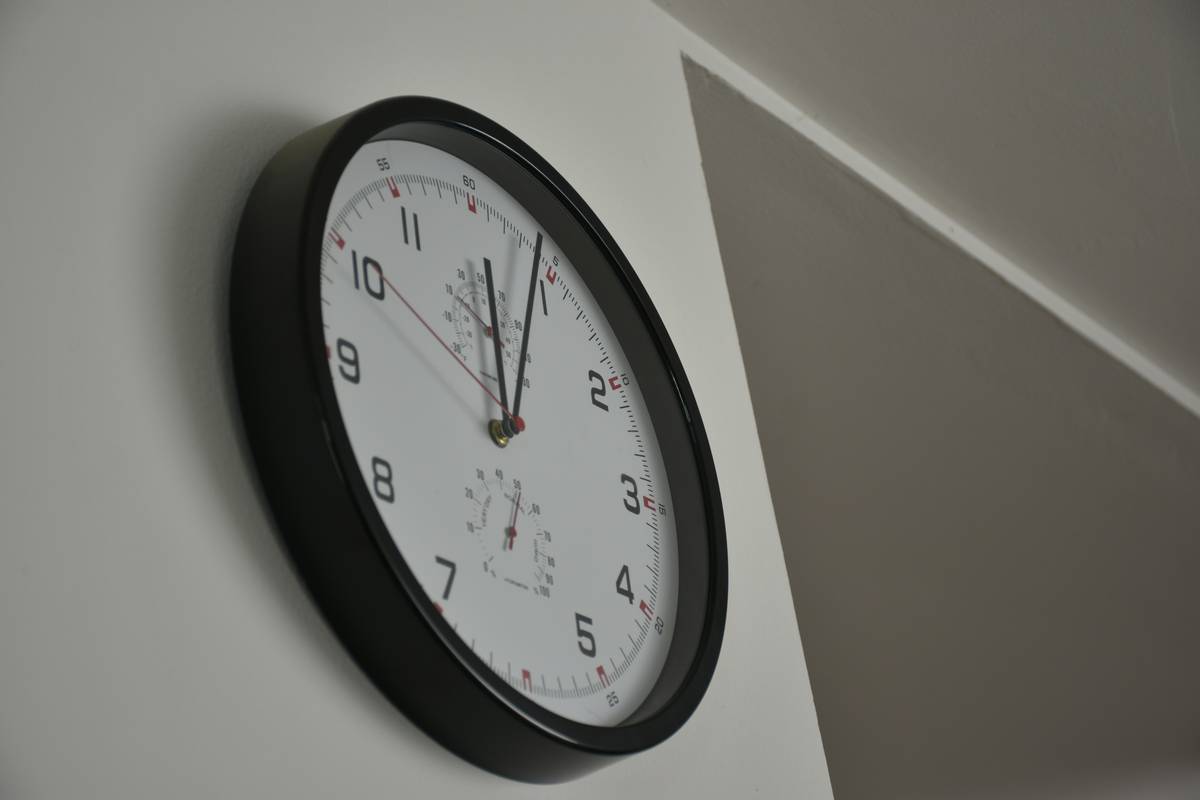
- Consider function over form in kitchens: Large, clear numerals beat ornate designs when you’re timing pasta.
Real-World Examples That Actually Work
Last year, we helped redesign a Brooklyn brownstone’s entryway. The client wanted a clock but feared it would crowd their narrow hallway. We chose a slim-profile, 14-inch brushed nickel wall watch home decor piece with Roman numerals. Mounted centered above a console table, it added elegance without bulk—proving that restraint often yields the best results.
Another success: a Portland homeowner replaced a noisy, battery-guzzling clock with a solar-powered analog model from a U.S. Department of Energy-recommended brand. Not only did it eliminate ticking, but it also reduced waste—showing that sustainable choices can align with style.
And yes, we’ve featured similar transformations on our About Us page, where our team shares real client journeys rooted in practical home improvement wisdom.
Frequently Asked Questions
What’s the best wall clock for small apartments?
Opt for a clock under 12 inches with a minimalist face—think thin hands, no numerals, and a light-colored frame. It keeps the space feeling open.
Can wall clocks damage drywall?
Only if improperly installed. Use appropriate anchors for clocks over 3 lbs. For heavier models, hit a stud or consult a handyman.
Are silent wall clocks really silent?
High-quality quartz “sweep” movements are virtually noiseless. Avoid cheap “ticking” mechanisms—they’re audible in quiet rooms.
How often should I replace wall clock batteries?
Most last 12–18 months. Pro tip: change them during daylight saving time shifts so you never forget.
Where should I avoid hanging wall clocks?
Never above heat sources (stoves, radiators) or in humid areas like bathrooms—moisture warps wood and fogs glass.
Is wall watch home decor still trendy in 2026?
Absolutely. According to interior design forecasts from leading trade publications, analog timepieces remain staples due to their blend of function and timeless appeal.
Ready to find your perfect wall watch home decor match? We’ve helped hundreds of homeowners avoid styling missteps—and you can too. Contact us for personalized advice tailored to your space. And rest easy knowing your data stays protected under our Privacy Policy.
Remember: time waits for no one—but your walls shouldn’t scream urgency. Choose calm, choose cohesion, choose clockwork confidence.